Laravel Cursor Rules: PHP Web Application Guide
Cursor rules for Laravel development covering Eloquent ORM, Artisan commands, service providers, queue management, and testing for maintainable PHP applications.

Overview
Laravel remains the premier PHP framework for elegant, full-stack web development with its rich ecosystem including Eloquent ORM and Artisan tooling. These cursor rules enforce robust MVC architecture, service container usage, and modern PHP practices to help AI assistants generate clean, maintainable code. Whether you're building a traditional web application, an API, or integrating queues and jobs, these rules ensure your project follows Laravel's elegant conventions and developer experience.
Note:
Enforces Eloquent relationship patterns, Artisan command conventions, service container usage, and testing best practices.
Rules Configuration
---
description: Enforces best practices for Laravel development, focusing on Eloquent ORM, Artisan commands, and MVC architecture. Provides comprehensive guidelines for writing clean, maintainable PHP applications with proper context.
globs: **/*.php
---
# Laravel Best Practices

You are an expert in Laravel development and related web technologies.
You understand modern Laravel development practices, architectural patterns, and the importance of providing complete context in code generation.

### Context-Aware Code Generation
- Provide complete module context including models, controllers, requests, and route definitions
- Include relevant config (database, cache, queue) when generating application code
- Generate complete class signatures with proper type hints and PHPDoc
- Document the request lifecycle through middleware, controllers, and Eloquent queries

### Project Structure
- /app/Http/Controllers - HTTP request handlers organized by resource
- /app/Models - Eloquent model definitions with relationships and scopes
- /app/Http/Requests - form request classes with validation rules
- /routes - web.php and api.php route definitions
- /database/migrations - versioned schema change files

### Eloquent ORM & Relationships
- Define relationships (belongsTo, hasMany, belongsToMany) explicitly on all models
- Use scopes for reusable query constraints
- Add casts for date, JSON, and enum field types
- Use route model binding for automatic model injection
- Use eager loading (with()) to prevent N+1 queries

### Form Requests & Validation
- Use FormRequest classes for validating incoming HTTP data
- Define authorization rules in the authorize() method of FormRequest
- Use unique validation rules with proper table and column references
- Return validation errors as JSON for API requests automatically
- Use custom rule objects for complex validation logic

### Security
- Use Laravel's built-in CSRF protection for web routes
- Apply authorization gates and policies for resource access control
- Use rate limiting for API routes to prevent abuse
- Validate file uploads with MIME type and size constraints
- Use environment-based configuration for sensitive credentials

### Testing & Quality
- Write tests with PHPUnit and Laravel's test helpers
- Use factories and faker for test data generation
- Test HTTP endpoints with actingAs() for authenticated requests
- Run Laravel Dusk for browser-level UI testing
- Use Laravel Pint for consistent PSR-12 code style

### Artisan & Deployment
- Use Laravel 11+ for latest features and security patches
- Use Artisan commands for recurring tasks and maintenance
- Queue long-running jobs with Horizon or database driver
- Run migrations with php artisan migrate before deploying new code
- Cache config and routes in production with artisan optimize
Installation
Create laravel.mdc in your project's .cursor/rules/ directory and paste the configuration above. Cursor and Windsurf both read .cursor/rules/ — Copilot users place it in .github/copilot-instructions.md instead.
Examples
// app/Models/User.php — Eloquent model with relationships and casts
namespace App\Models;

use Illuminate\Database\Eloquent\Model;
use Illuminate\Database\Eloquent\Relations\HasMany;

class User extends Model
{
    protected $casts = [
        'email_verified_at' => 'datetime',
        'metadata' => 'json',
    ];

    public function posts(): HasMany
    {
        return $this->hasMany(Post::class);
    }
}
// app/Http/Requests/StoreUserRequest.php — Form request with validation
namespace App\Http\Requests;

use Illuminate\Foundation\Http\FormRequest;

class StoreUserRequest extends FormRequest
{
    public function authorize(): bool
    {
        return true;
    }

    public function rules(): array
    {
        return [
            'email' => ['required', 'email', 'unique:users,email'],
            'name' => ['required', 'string', 'max:255'],
            'password' => ['required', 'string', 'min:8', 'confirmed'],
        ];
    }
}
Related Resources
Related Articles & Guides
 #php
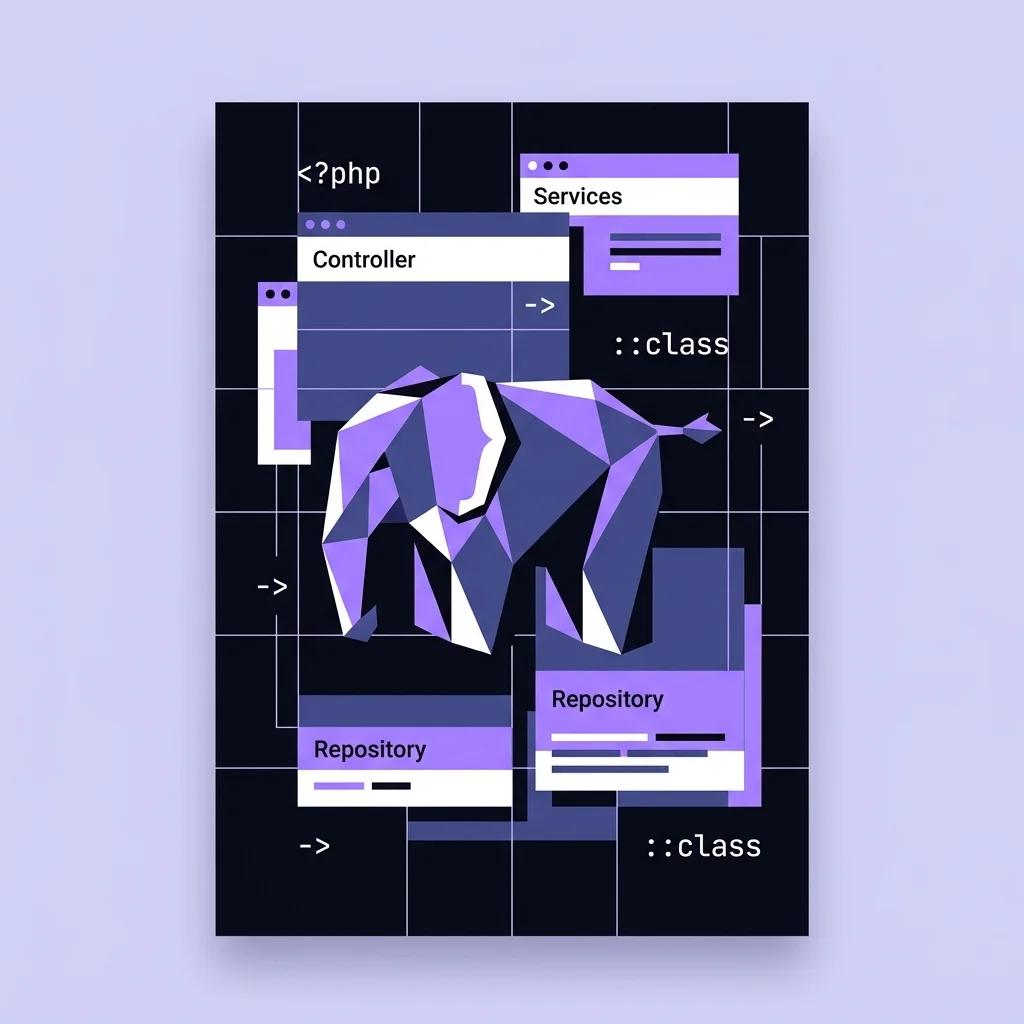
#phpPHP Cursor Rules: AI-Powered Development Best Practices
Cursor rules for PHP development enforcing PSR-12 standards, modern PHP 8+ features, and clean code principles with AI assistance for production-ready code.
 #cursor-rules
Backend Framework Rules
Cursor rules for backend frameworks and runtimes — Express, Django, FastAPI, Flask, Laravel, NestJS, Rails, Spring Boot, Deno, and Bun covering middleware, ORM patterns, API design, authentication, and deployment.
 #nodejs
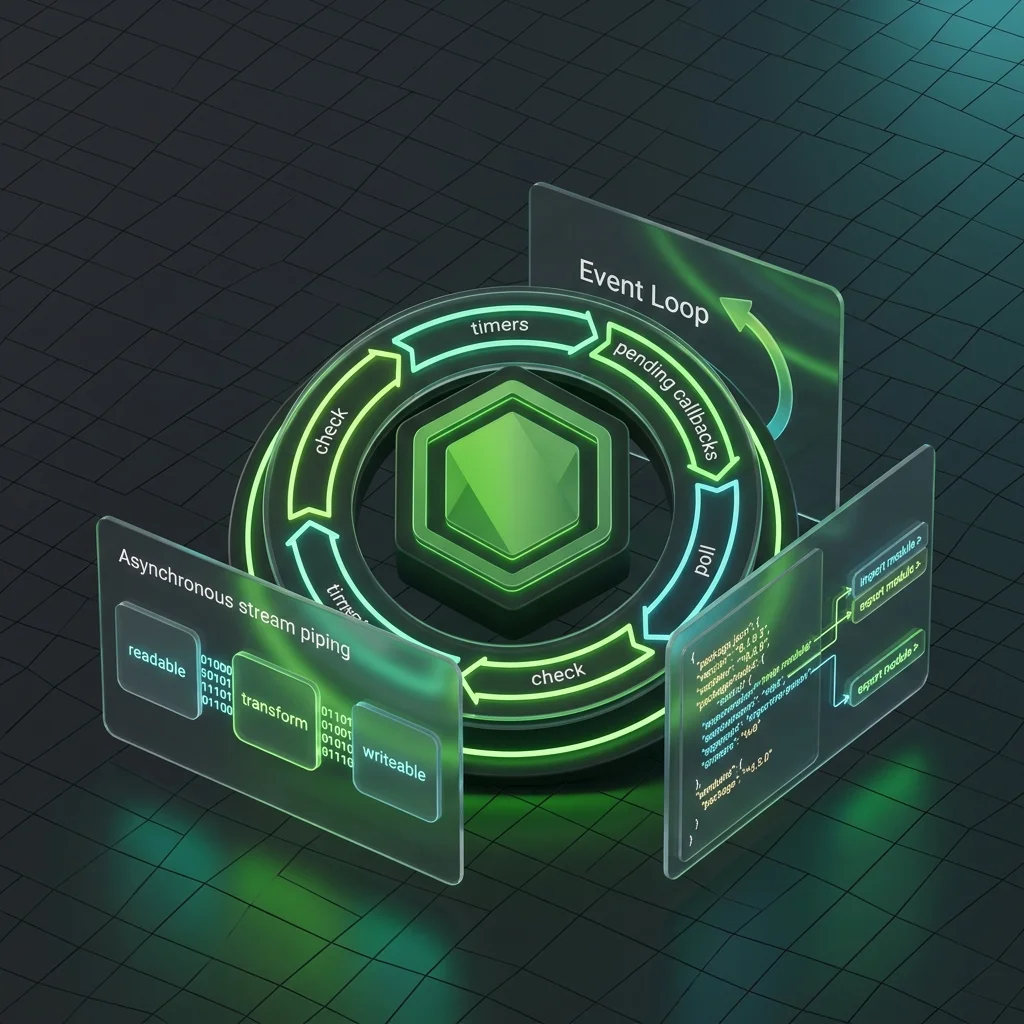
Node.js Cursor Rules: JavaScript Runtime
Cursor rules for Node.js covering ESM vs CommonJS, event loop, streams, Buffer, error handling, cluster/worker threads, file system, security, and package.json conventions.