Friday, July 3, 2026
"Earn the Right to Exist" — Microsoft Merges Copilot, Adds AutoPilot Agents, and the AI Super App Race Is On
Posted by
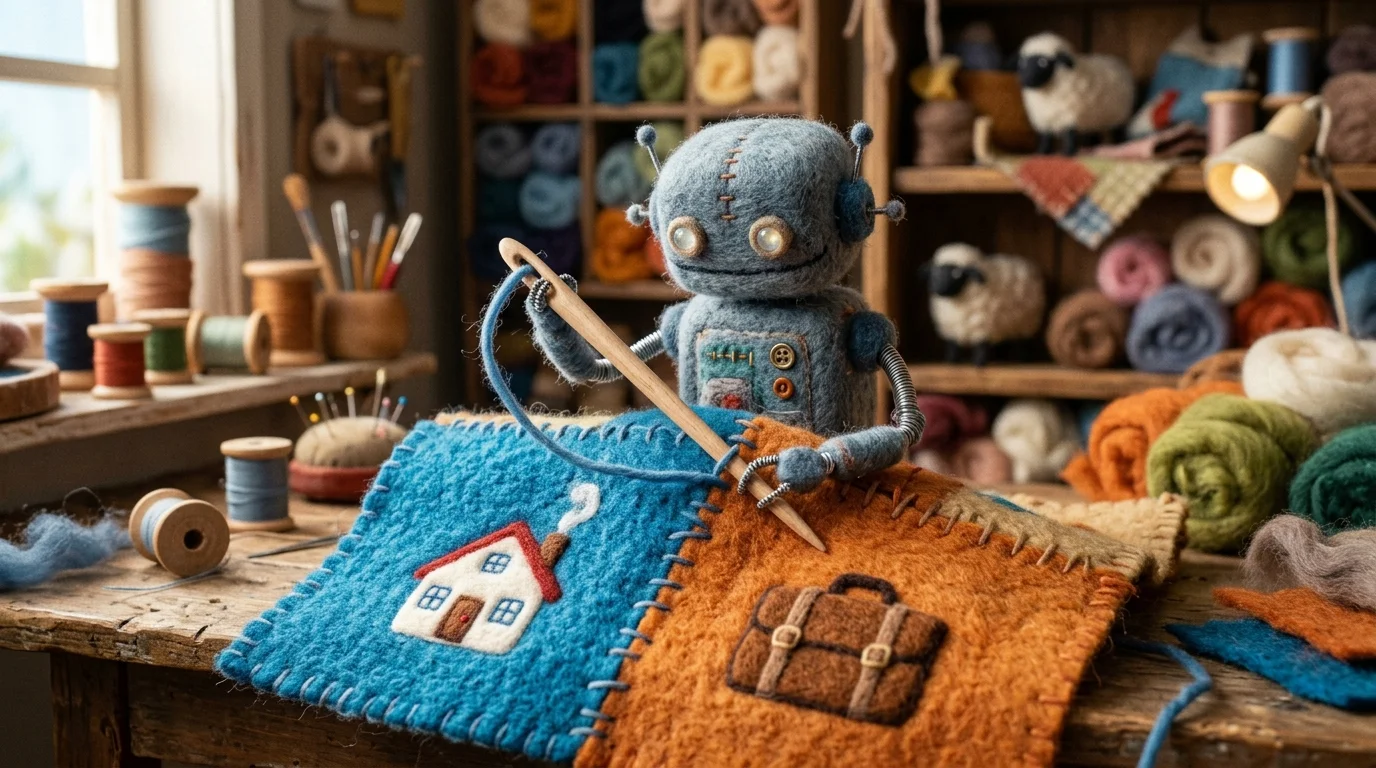
Microsoft is planning yet another overhaul of Copilot — and this one might be the most telling yet about where the entire AI industry is heading.
According to an internal memo from Executive Vice President Jacob Andreou, seen by The Information, the company will merge its consumer and enterprise Copilot apps into a single unified app in August. Features like Copilot Podcasts and Copilot Labs are getting cut. And most importantly, Microsoft is introducing a new category of AI agents called AutoPilots — always-on background agents that work under their own governed identity.
Andreou's memo didn't mince words: the team "stripped out what wasn't working." Copilot, he wrote, needs to be "optimized for outcomes" rather than chasing intelligence "for intelligence's sake." The app has to "earn the right to exist."
That last line is doing a lot of work. When a Microsoft EVP says your product needs to earn its place, it's an admission that the first wave of AI assistants — even one backed by the world's most valuable software company — didn't deliver what users actually needed.
What's Actually Happening
The plan, per the memo and subsequent reporting from The Decoder:
- App merger. Consumer Copilot and Microsoft 365 Copilot become one app in August. Coding tools get integrated directly.
- Feature cuts. Copilot Podcasts and Copilot Labs are out. These were experimental features that never found product-market fit.
- AutoPilot agents. A new category of always-on agents called "AutoPilots" — the first being Microsoft Scout, announced June 2, 2026.
- Paid extras. Customers will pay extra for the agent features.
This isn't happening in a vacuum. Yesterday, Microsoft also announced a $2.5 billion Frontier Company that embeds 6,000 AI engineers directly inside enterprise client departments. The message is clear: a chatbot alone doesn't cut it. You need agents that do work, not just answer questions.
What Is an AutoPilot?
Microsoft's answer to "what comes after chatbots" is a new product category it's calling Autopilots — and the first one is Microsoft Scout.
The key distinction, per Omar Shahine (CVP, Microsoft Scout): "If a Copilot waits for you to ask, an Autopilot is always on."
Here's what makes Scout different from Copilot:
- Always-on. Runs in the background on a heartbeat (15–120 minute intervals). No prompt required.
- Own identity. Every action runs under its own governed Entra ID, with full attribution and policy enforcement.
- Proactive. Coordinates meetings, flags risks, identifies deliverables, blocks calendar time — without being asked.
- Sub-agent capable. Scout can spawn sub-agents for specific tasks.
- Multi-surface. Connects to Teams, Outlook, OneDrive, SharePoint, and via MCP connectors to third-party services.
- Governance-first. Enforces Purview DLP policies, sensitivity labels, and requires human sign-off for sensitive actions.
The requirement list tells you how seriously Microsoft is taking this: Frontier program enrollment, Intune-managed devices, and a GitHub Copilot license. This is not a consumer play — it's enterprise workflow automation with the governance layer baked in from day one.
Under the hood, Scout is built on OpenClaw (open source), the same agent framework Microsoft open-sourced at Build. And they're contributing the policy conformance validation layer back upstream.
The Feature Cuts Tell a Story
Copilot Podcasts and Copilot Labs are getting axed. These weren't bad products — Copilot Podcasts was genuinely novel as an AI-generated audio experience. But they were feature flags, not workflows.
The pattern here is important for anyone building in this space: AI features that create content people consume passively are losing to AI features that complete tasks people would otherwise do themselves. Microsoft realized that users don't need another podcast feed. They need their email triaged, their schedule blocked, and their stalled decision flagged before the deadline passes.
This is the same lesson we saw with the initial wave of AI writing assistants: generating output is table stakes. Following through on what that output implies is where the real value lives.
The Super App Race Is On
Microsoft's move is the third major consolidation play in as many months. All three frontier AI companies are converging on the same strategy:
- OpenAI is overhauling ChatGPT into a super app that merges ChatGPT, Codex, and the Atlas browser into a single platform, plus third-party integrations like Canva and Booking.com.
- Anthropic has Claude Code for developers and Claude Cowork for knowledge workers — now available to all Pro subscribers — bringing agent capabilities to non-programmers.
- Microsoft is merging consumer/enterprise Copilot, adding AutoPilots, and integrating coding tools, all into one app.
Each company is converging on roughly the same three-layer stack:
- A chat interface — the familiar conversational entry point
- Coding tools — code generation and execution built in
- Autonomous agents — persistent, task-oriented work that continues without you
What's different is where they're placing their bets. OpenAI is betting on the platform play with third-party integrations. Anthropic is betting on the quality of the agent reasoning (Cowork is powered by the same engine as Claude Code). Microsoft is betting on the enterprise governance layer — Entra ID, Purview, Intune — as the moat that keeps competitors out of the workplace.
What This Means for Developers
Three implications worth paying attention to:
First, the API will be the differentiator, not the app. Every major AI company now wants to own the user interface. That means the battle for developer mindshare shifts to the API layer — who has the best models, the best agent capabilities, and the best pricing. Anthropic's Claude gateway announcement yesterday (multi-provider failover) is a direct play here. Microsoft's model choice inside Copilot (letting you pick Claude or OpenAI) is another.
Second, "background agent" is a new category you need to design for. Scout runs on a 15-minute heartbeat. It has its own identity. It can take action without a prompt. If you're building agents today, ask yourself: could my agent handle being given a goal and left alone for an hour? The answer for most current agent frameworks is "no" — and that's the gap Microsoft is trying to exploit.
Third, the feature cuts are a roadmap. Copilot Podcasts is gone. Copilot Labs is gone. If you're building AI features that are interesting but not essential, you have about a 12-month window before the consolidation wave reaches you. Focus on outcomes, not demos.
The Bottom Line
The "earn the right to exist" line from Jacob Andreou's memo is going to age well. It's the most honest thing anyone at a major AI company has said about the product reality in 2026.
The first wave of AI assistants was all about showing what was possible. The second wave — the one we're entering now — is about proving what's actually useful. Microsoft, Anthropic, and OpenAI are all arriving at the same answer: a single app that can chat, code, and run agents in the background. The race to own that interface is on, and the winner gets to define how knowledge work happens for the next decade.
This is breaking news and developing fast. Expect more details from Microsoft's August rollout timeline and the Frontier program previews in the coming weeks.
Related Articles & Deep Dives
 #openai
OpenAI's New Prompting Guide: Stop Overthinking, Start With the Result
OpenAI just published a refreshingly simple prompting guide that tells users to drop rigid formulas and complex instructions. The core message: describe your goal, add a constraint or two if needed, and iterate. Here's what's in it and why it matters for developers building on top of these models.
 #meta
#metaYour Rival's AI Is Leaking Into Your Training Data — Meta Just Banned Claude Code and Codex Internally
Meta has instructed engineers to restrict their use of Anthropic's Claude Code and OpenAI's Codex over fears that outputs from those tools could contaminate Meta's own AI training data. The policy, confirmed by internal documents obtained by The Information, is driven by distillation fears, ballooning AI costs, and Meta's push to build its own coding assistant, MetaCode.
 #gemini
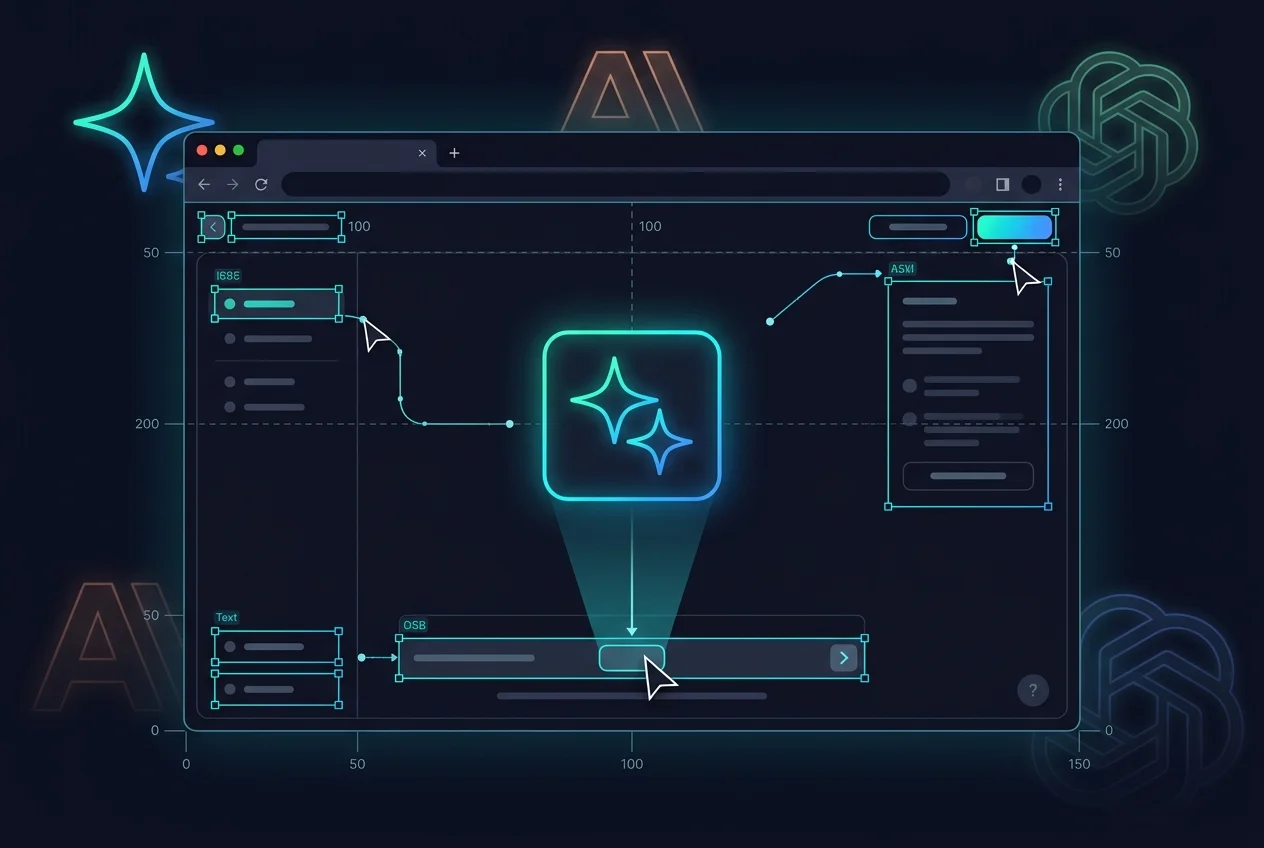
Google's Gemini 3.5 Flash Gets Computer Use — and the Agent-Desktop Race Is Now a Tri-Opoly
Google DeepMind just made computer use a native tool in Gemini 3.5 Flash — the fast, cheap model. Screenshot-driven agents, mouse/keyboard control, enterprise safety gates, and a direct shot at Anthropic's Computer Use and OpenAI's Operator.