Mastering Vehicle Design in Midjourney: Cars, Aircraft, Watercraft & More
Master vehicle design and creation with comprehensive Midjourney prompts. Learn advanced techniques for generating realistic and imaginative cars, aircraft, watercraft, and vehicles with precise control over design, style, and technical details.
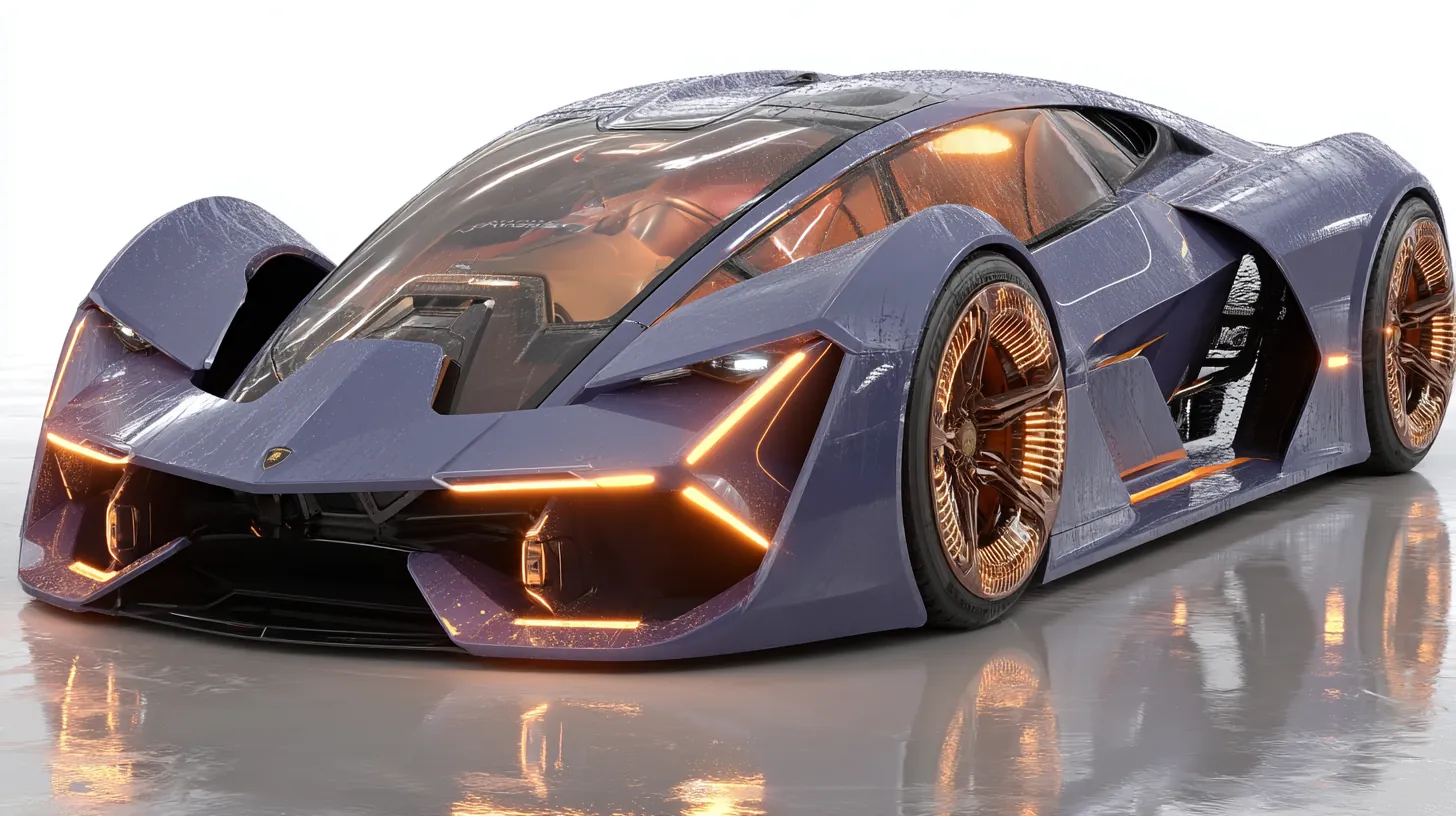
Introduction
Creating compelling vehicles in Midjourney requires understanding automotive and mechanical design, material properties, lighting techniques, and compositional principles. This guide explores the techniques, parameters, and approaches that help you generate detailed vehicles with precise control over style, era, mechanical details, and environmental context. Whether designing sleek hypercars, vintage classics, futuristic spacecraft, or industrial machinery, mastering vehicle prompts unlocks creative possibilities.
Core Vehicle Categories
Automotive Design
Aircraft & Aerospace
Watercraft
Industrial & Military
Concept & Futuristic
Key Parameters for Vehicle Creation
Fine-tune your vehicle creations with these essential parameters.
Vehicle-Specific Parameters
Note:
The most compelling vehicles balance technical accuracy with visual impact. Consider how form follows function—aerodynamics, proportions, and materials should feel authentic to the vehicle's purpose while maintaining artistic appeal.
Detailed Style Examples
Note:
This section showcases key vehicle styles with practical examples. Each demonstrates specific techniques and parameter settings you can adapt for your own vehicle creations.
Modern Hypercar
Sleek, high-performance sports car with futuristic aerodynamic design and premium materials.
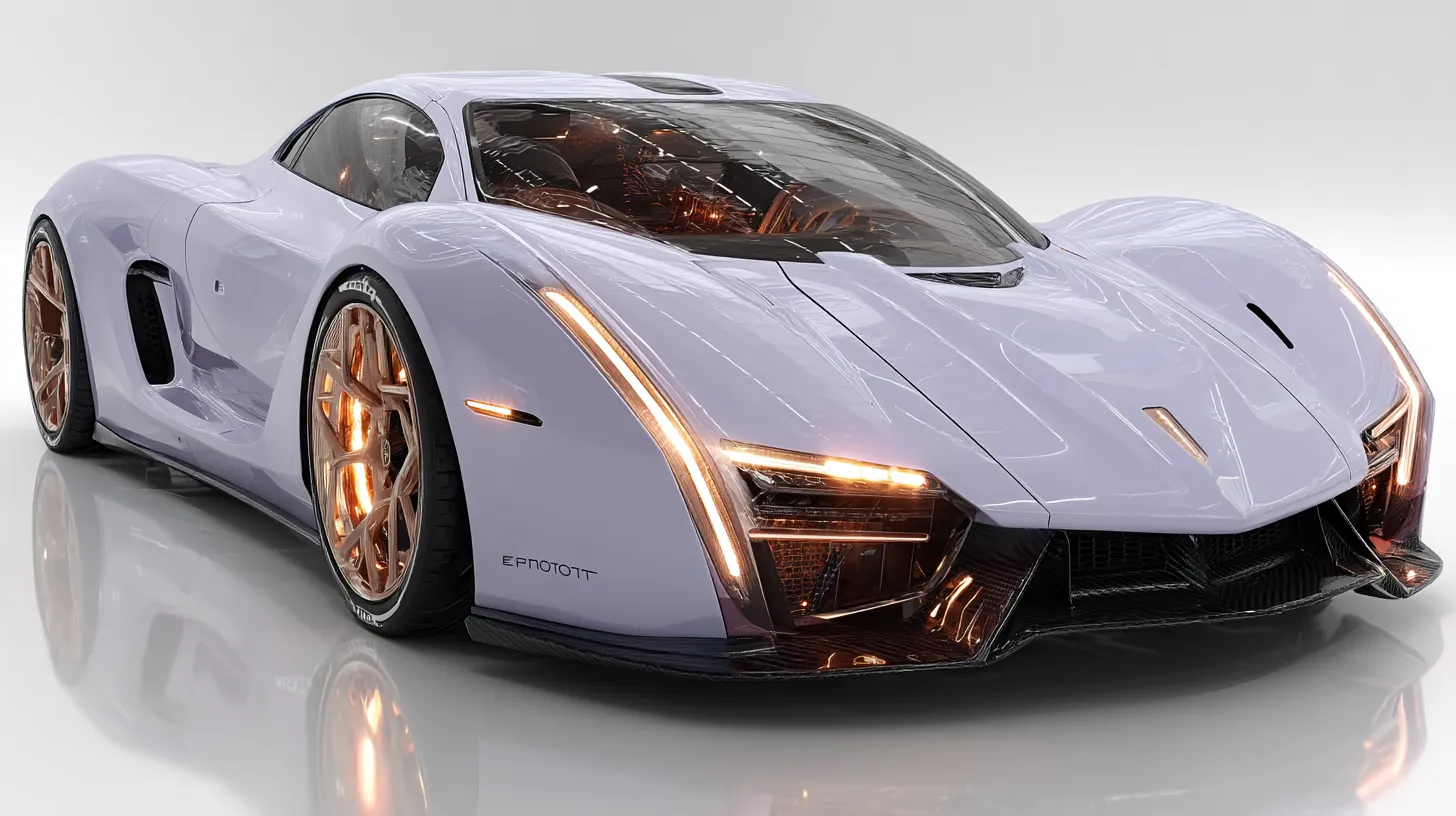
Futuristic hypercar concept design: ultra-low sleek profile with aggressive aerodynamic lines, active aero elements with movable flaps, sharp angular body contours, carbon fiber body panels with matte finish, metallic accent stripes running along body sides, low-slung wheels with premium design, LED accents tracing the body lines, cockpit with futuristic interior visible through glass canopy, studio lighting setup on white backdrop, professional automotive photography style, symmetrical three-quarter view showing design detail, high-end concept car aesthetic --ar 16:9 --stylize 600 --q 2 --style raw
Key Techniques:
- Use "aerodynamic lines", "carbon fiber", and "metallic finish" for high-end materials
- Reference "active aero elements" and "LED accents" for modern performance features
- Specify "three-quarter view" and "studio lighting" for professional presentation
- Include "professional automotive photography style" for polished results
- Apply
--stylize 600for balanced realism with artistic polish
Vintage Classic Car
Period-accurate classic automobile with retro styling and nostalgic appeal.
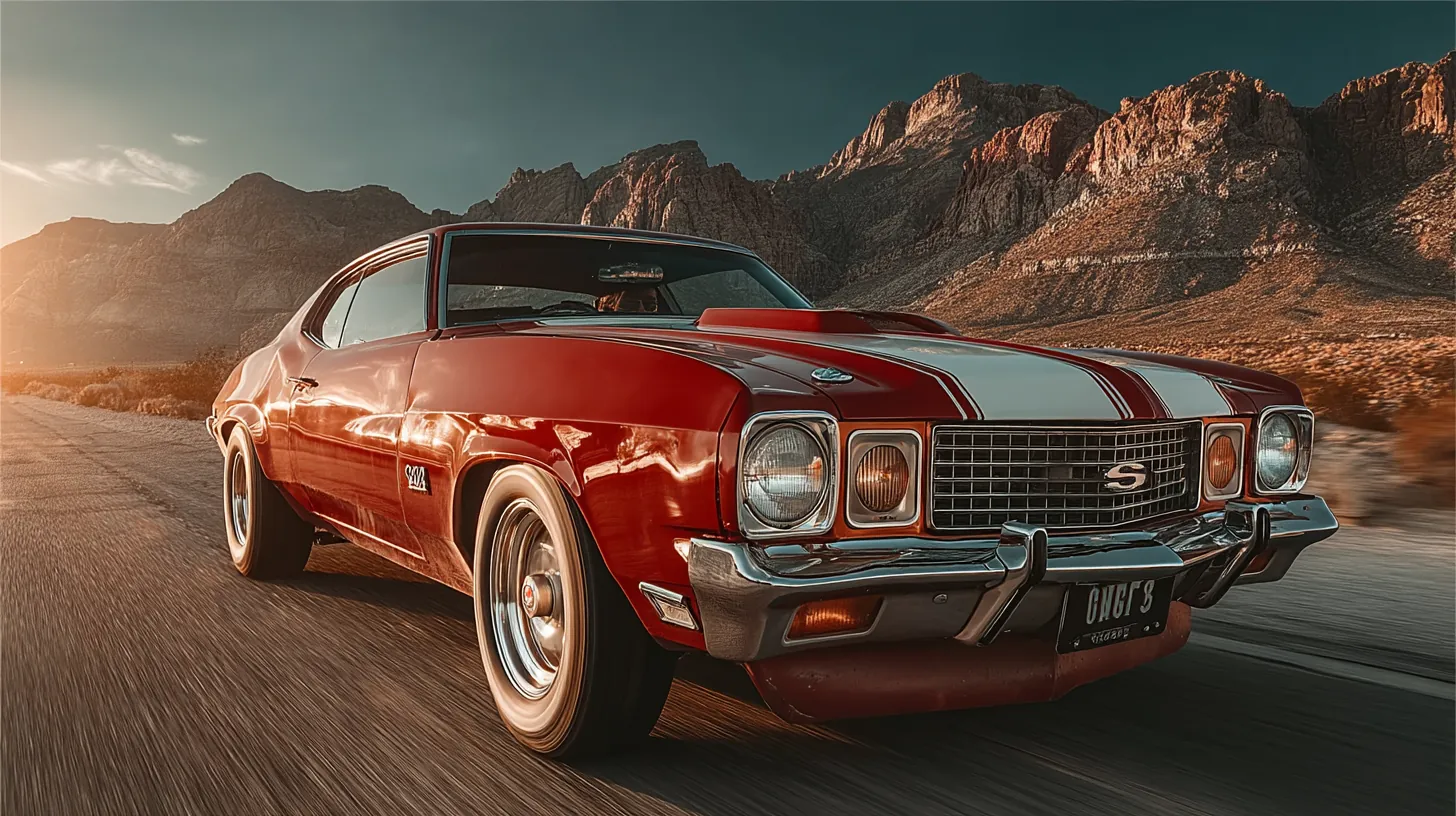
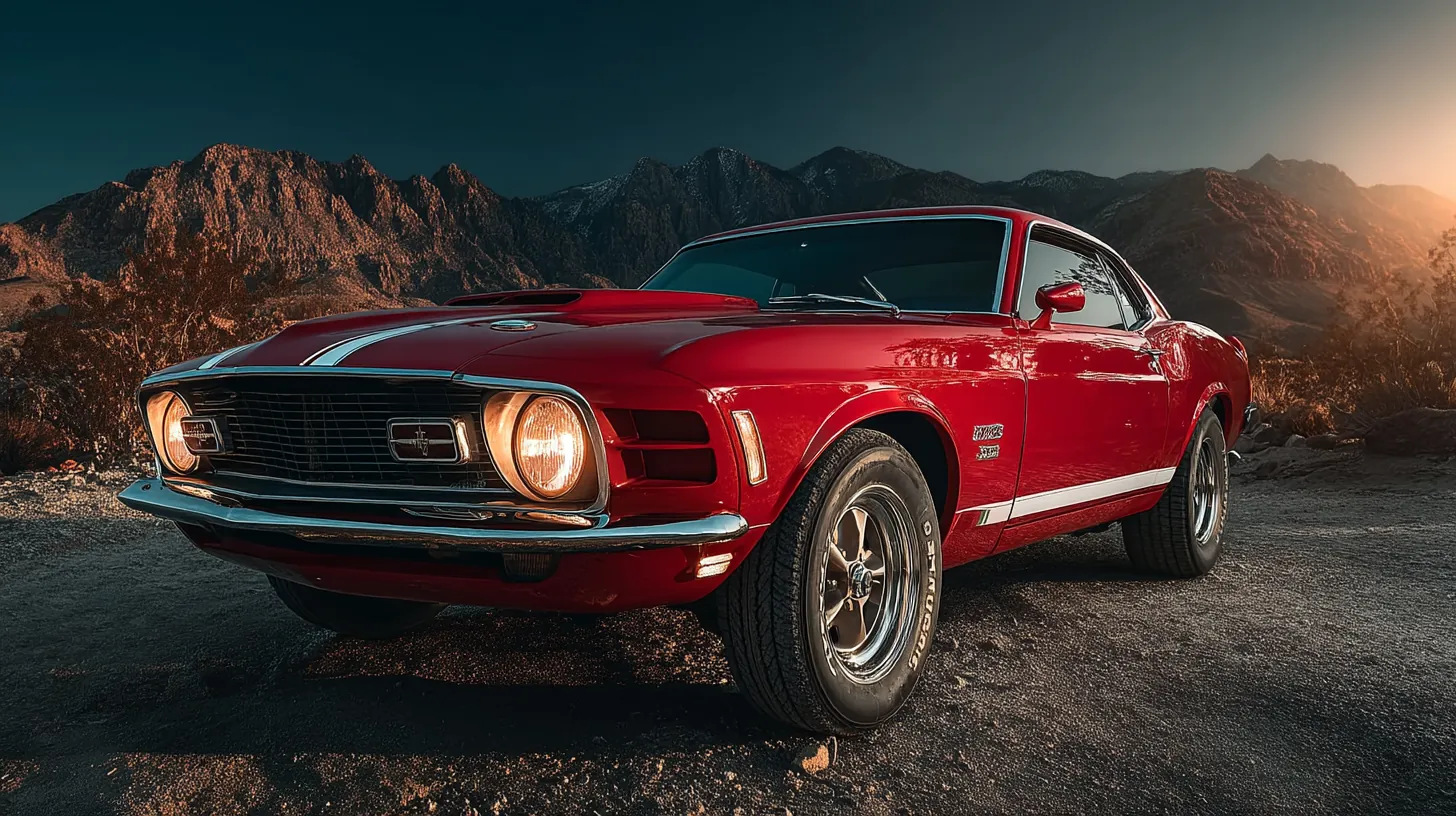
Classic 1970s American muscle car: aggressive sloped hood with bold hood lines, wide muscular stance with premium suspension, glossy candy-red paint with deep reflective finish, gleaming chrome bumpers and trim detailing, whitewall tires with white-side wall design, dual racing stripes down the center, tinted side windows with retro styling, warm interior glow from cabin, photographed at golden hour on desert highway, warm sunset light creating nostalgic atmosphere, film grain texture adding vintage character, professional automotive photography, composition emphasizing powerful stance --ar 16:9 --stylize 550 --q 2
Key Techniques:
- Reference specific era (1970s) and style for authenticity
- Include chrome details, whitewall tires, and racing stripes for period accuracy
- Use "golden hour" and "desert highway" for iconic vintage aesthetic
- Specify paint qualities like "glossy", "candy-red", and "deep reflective finish"
- Apply
--stylize 550for balanced retro appeal with technical accuracy
Aircraft Design
Commercial or military aircraft with attention to aerodynamic forms and mechanical detail.
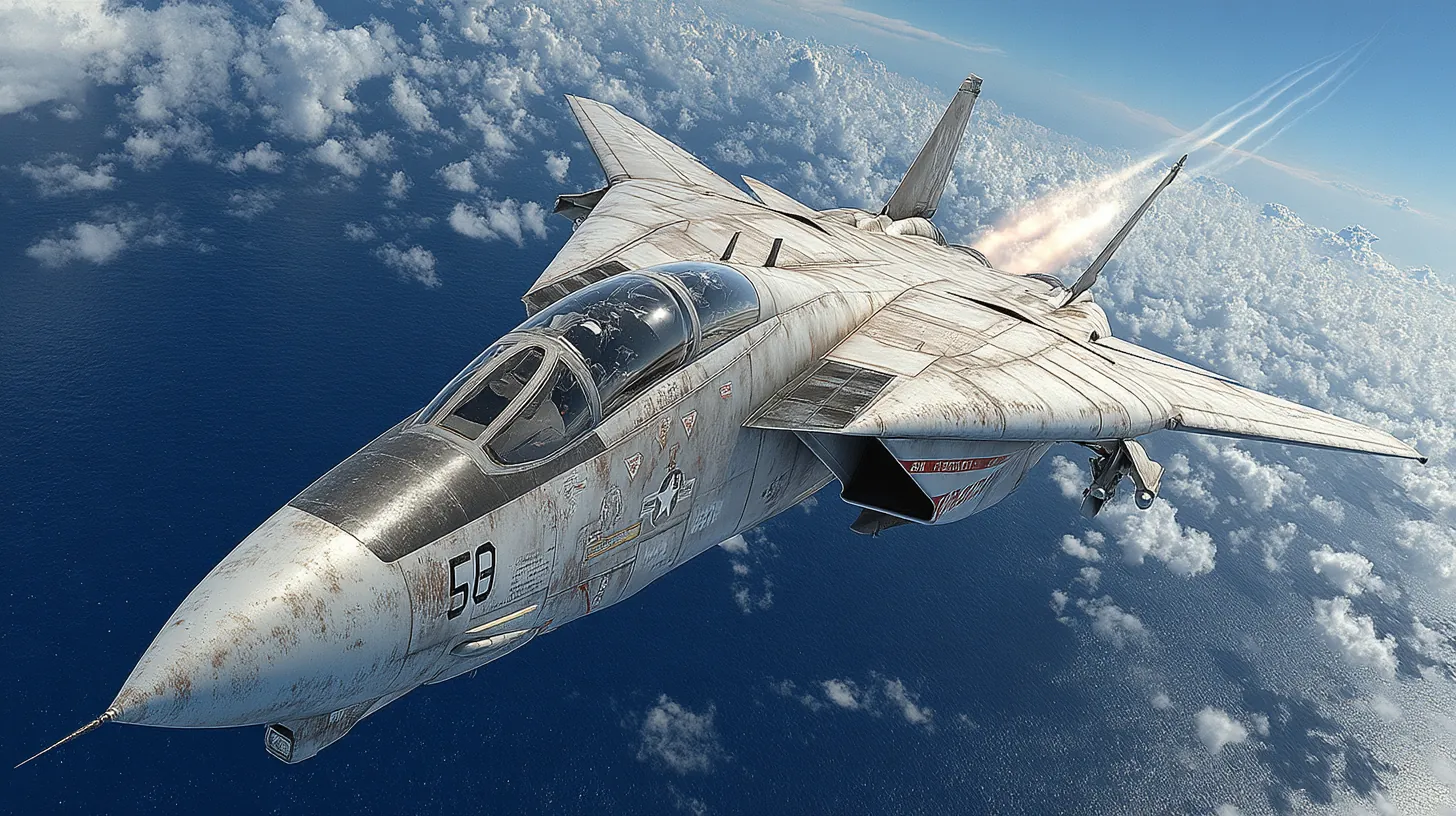
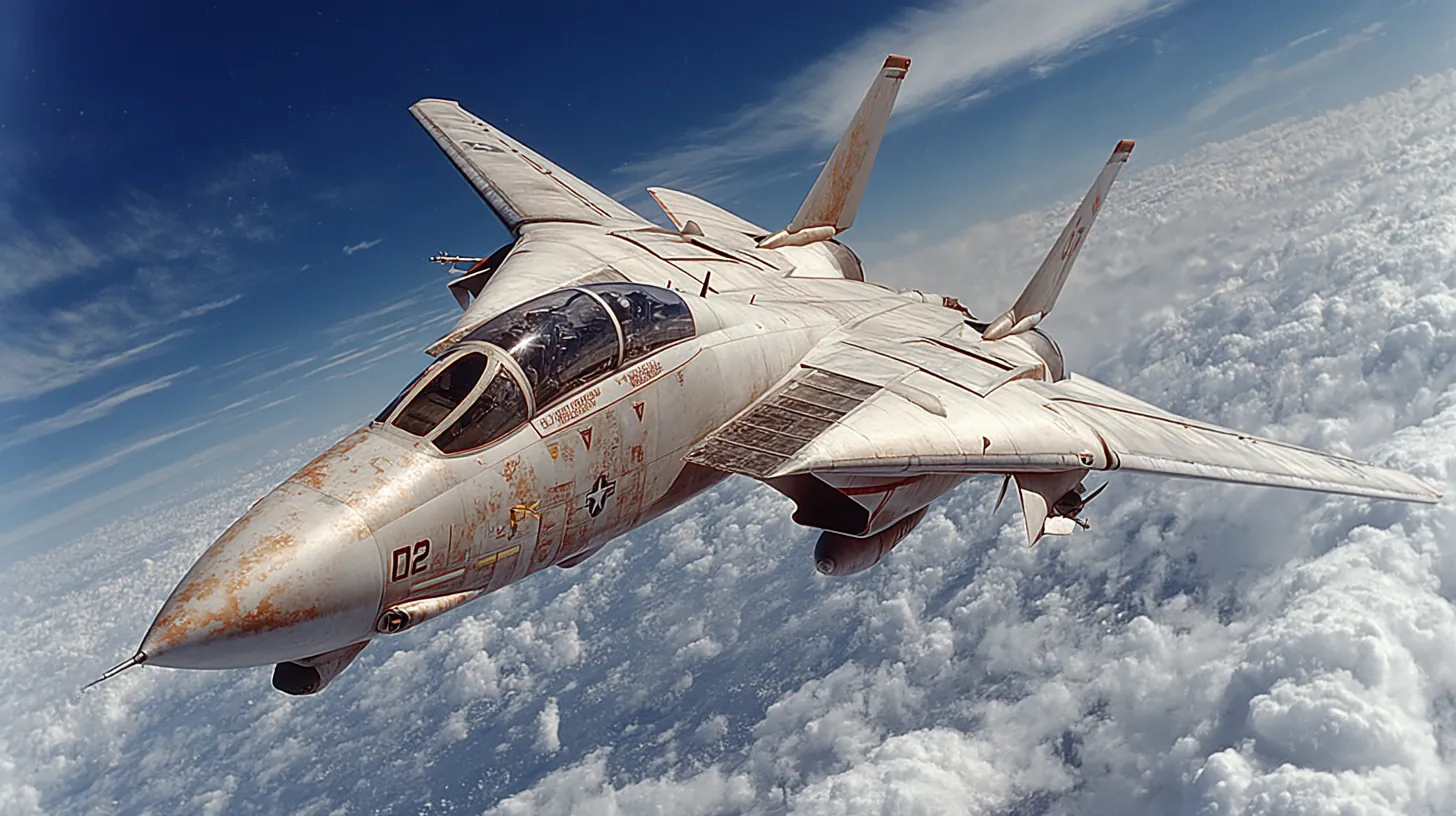
Modern military fighter jet in flight: sleek swept-wing design with delta canard configuration, compact fuselage optimized for speed and maneuverability, metallic grey finish with weathered surface patina, military insignia and unit markings on fuselage, air intakes with complex geometry, retractable landing gear visible in semi-deployed state, contrail streaming behind engines showing motion, captured from dynamic three-quarter aerial perspective, clear blue sky backdrop, professional aviation photography aesthetic, sharp detail on aerodynamic surfaces and mechanical systems, dramatic lighting emphasizing form --ar 16:9 --stylize 450 --q 2 --style raw
Key Techniques:
- Reference specific aircraft design (swept wings, delta canard, fuselage configuration)
- Include aerospace details like "air intakes", "retractable landing gear", "contrail"
- Use "metallic finish" and "weathered surface patina" for technical realism
- Specify viewing angle like "three-quarter aerial perspective"
- Apply
--stylize 450for accuracy-focused technical rendering
Luxury Yacht
Sophisticated watercraft with elegant design and premium finishes.
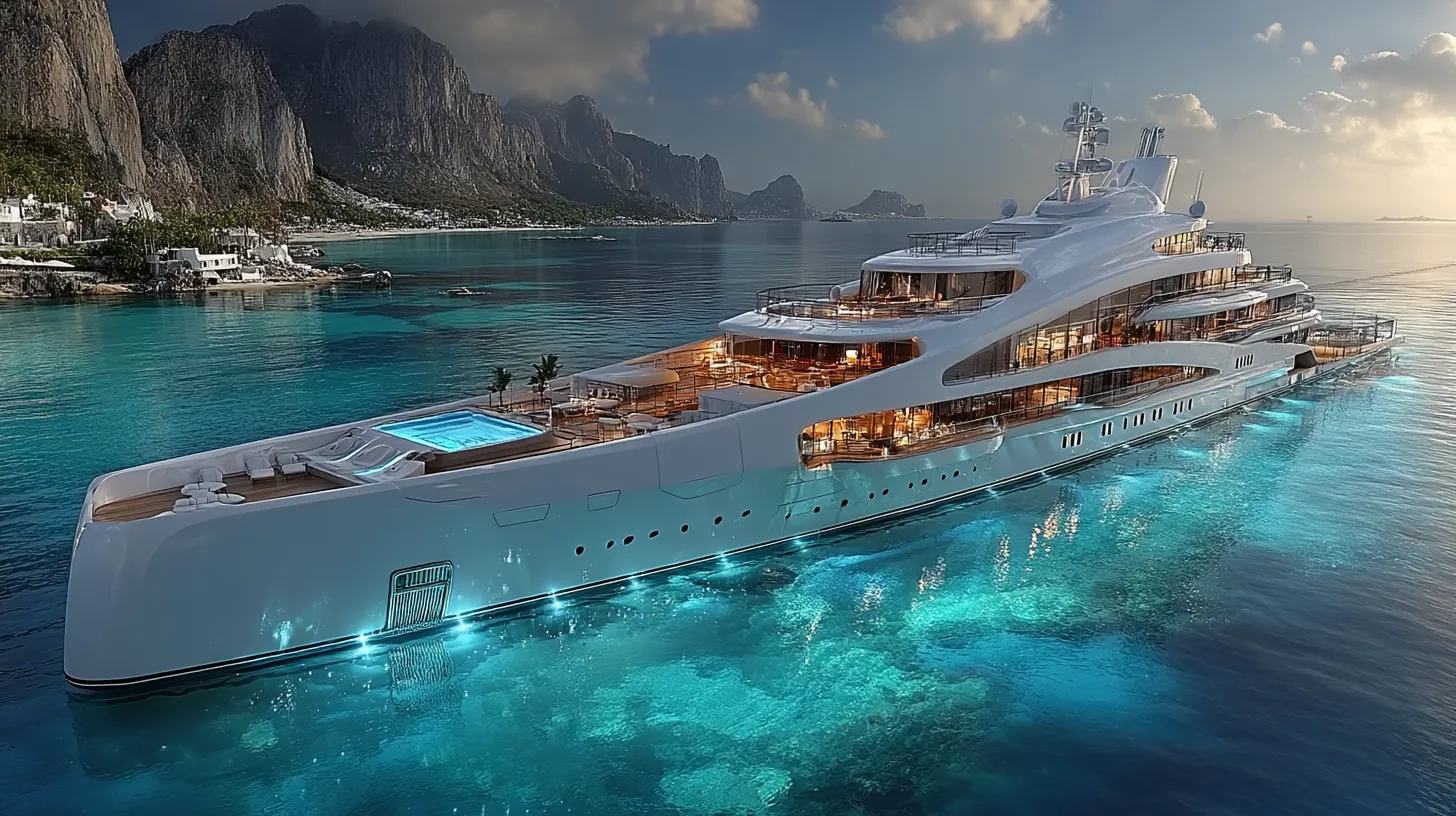
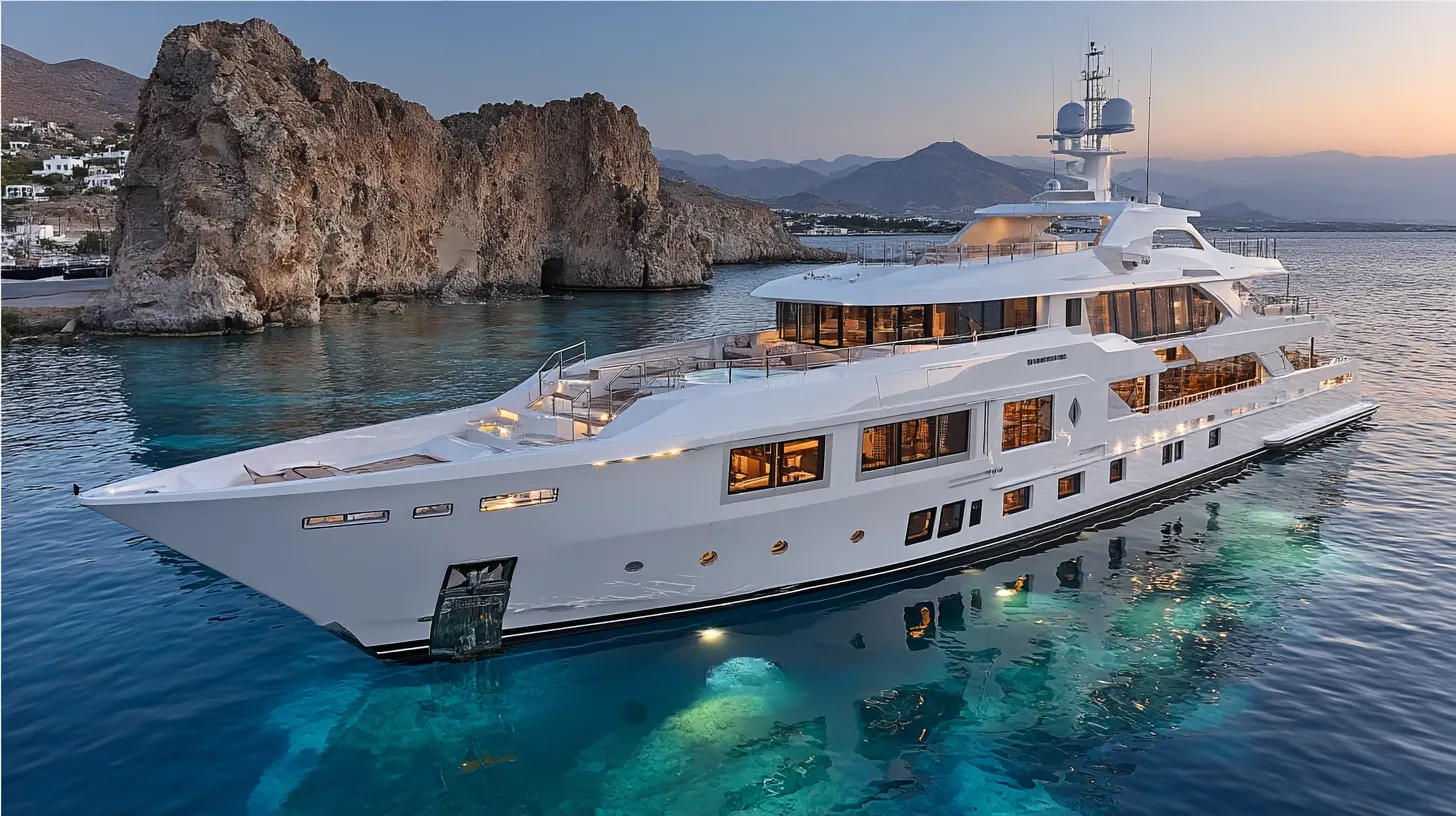
Modern luxury super-yacht: elegant sleek white hull with continuous waterline, multiple stacked decks with panoramic tinted windows, open-air sun deck with lounge furniture and hot tub integration, helicopter landing pad on upper deck, waterline punctuated with accent lighting, warm interior glow visible through windows, anchored in Mediterranean bay with turquoise water, clear blue sky and rocky coastline background, professional yacht photography from water-level perspective, perfect reflection in calm water surface, luxury nautical aesthetic, premium materials and craftsmanship evident --ar 16:9 --stylize 550 --q 2
Key Techniques:
- Include luxury details like "helicopter landing pad", "hot tub", "panoramic windows"
- Describe hull design with "sleek white hull" and "continuous waterline"
- Reference environmental context with "Mediterranean", "turquoise water", "rocky coastline"
- Use "water-level perspective" for immersive nautical composition
- Apply
--stylize 550for aspirational luxury presentation
Floating Vehicle (Levitation)
Advanced anti-gravity vehicle design with complete aerial mobility.
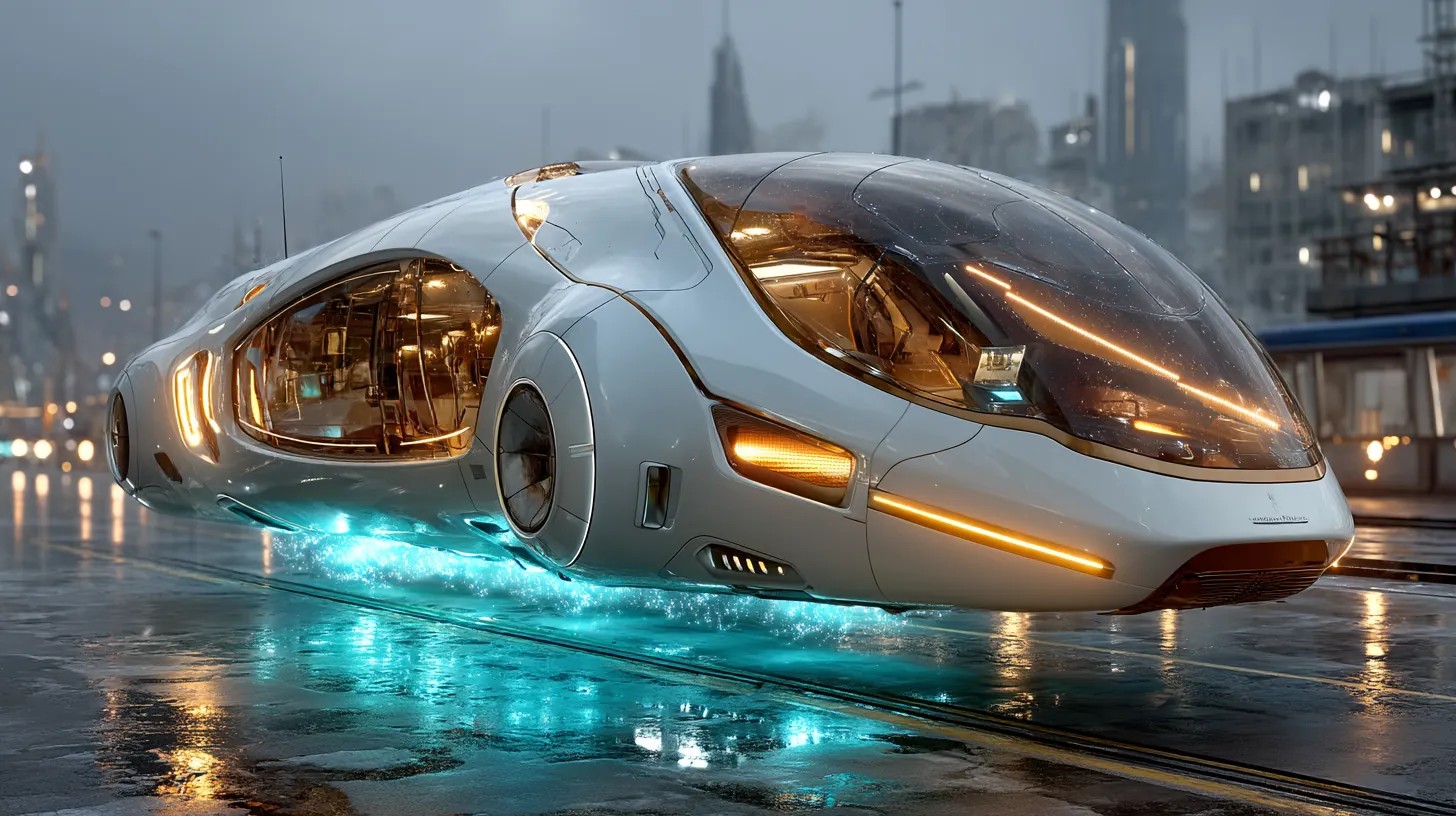
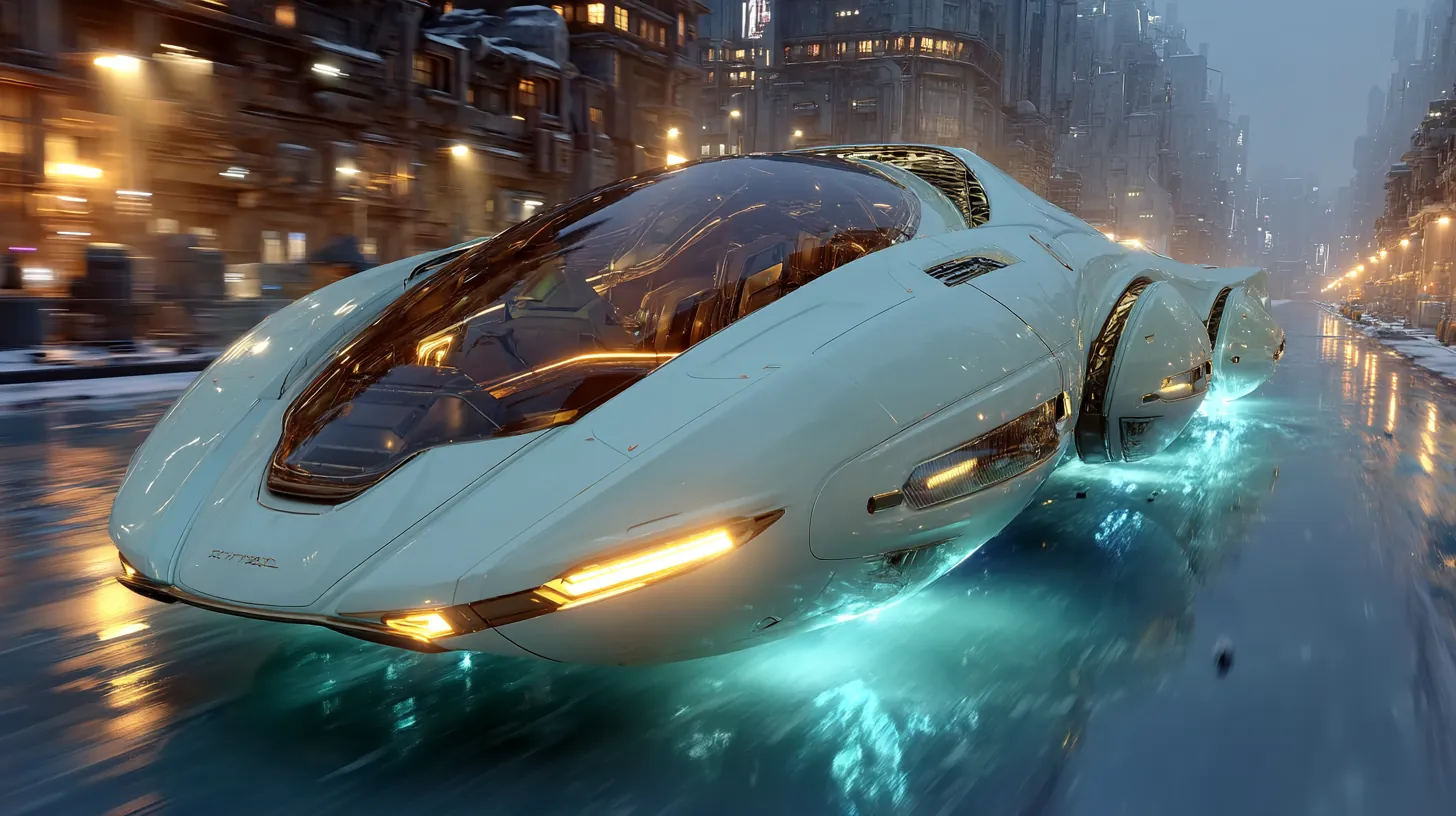
Futuristic floating vehicle suspended in mid-air: sleek aerodynamic form with organic flowing parametric design, smooth white composite hull with luminescent accent strips pulsing with energy, large transparent cockpit pod with panoramic canopy, fully levitating with no contact to ground surface, brilliant blue energy field visualization beneath chassis indicating active anti-gravity propulsion system, glowing intake vents running along fuselage channeling energy, minimalist interior visible through transparent sections, set in futuristic urban environment far above ground level, dramatic lighting emphasizing the hovering suspension, professional automotive concept rendering, blend of advanced levitation technology with speculative sci-fi design --ar 16:9 --stylize 700 --q 2
Key Techniques:
- Use "levitating", "suspended in mid-air", and "no contact to ground" for complete flight
- Emphasize anti-gravity or magnetic propulsion with "energy field visualization", "glowing intakes", "active propulsion"
- Include atmospheric context showing vehicle elevated above environment
- Use "luminescent" and "pulsing energy" to communicate power source visually
- Apply
--stylize 700for creative freedom with speculative design elements - Layer transparency effects through cockpit and interior elements for visual complexity
Vehicle Design Elements
Understanding key design components helps create more convincing vehicles.
Exterior Design Details
Key elements that define vehicle appearance and character:
Design Vocabulary
Lighting and Presentation
Professional vehicle presentation requires careful lighting consideration:
Studio Lighting Setup:
- Key light: Main directional light emphasizing form and materials
- Fill light: Soft secondary light revealing detail in shadows
- Background light: Separates vehicle from backdrop
- Rim light: Edge highlighting defining vehicle silhouette
- Environment: Neutral white or light grey backdrop minimizing distraction
Prompt Templates
Use these structures to build effective prompts for different vehicle styles.
Universal Vehicle Template
[Vehicle Type] [style/era]:
- Design: [body lines, proportions, stance]
- Materials: [finish, surface quality, accent details]
- Features: [specific design elements, tech, equipment]
- Presentation: [viewing angle, environment, context]
- Lighting: [lighting setup, mood, time of day]
--ar [Ratio] --stylize [Value] --q 2 --style raw
Automotive Concept Template
[Era/Style] [vehicle type] concept design:
- Silhouette: [overall profile and proportions]
- Details: [specific design elements and features]
- Materials: [paint, trim, finishes]
- Environment: [setting, background, context]
- Photography: [angle, lighting, composition style]
--ar 16:9 --stylize [550-700] --q 2
Aircraft/Aerospace Template
[Aircraft type] design:
- Configuration: [wing type, fuselage design, control surfaces]
- Finish: [paint scheme, markings, weathering]
- Perspective: [aerial angle, altitude suggestion]
- Context: [sky conditions, environment, scale indicators]
- Aesthetic: [military/civilian, vintage/modern, realistic/stylized]
--ar 16:9 --stylize [400-550] --q 2 --style raw
Advanced Techniques
Material and Surface Mastery
Create convincing vehicle materials through specific descriptive language:
Metallic Paint Effects:
- "glossy metallic finish with deep reflections"
- "pearl white with color shift properties"
- "matte charcoal with subtle flake texture"
- "brushed aluminum with directional grain"
- "oxidized copper showing weathering patina"
Mechanical Authenticity:
- Reference real vehicle details (engine block, brake caliper, suspension)
- Include aging/weathering for realism ("rust bloom", "patina", "oxidation")
- Specify manufacturing method ("hand-stitched", "precision-molded", "welded seams")
- Describe material interactions (reflections on chrome, paint depth, texture quality)
Composition and Presentation
Effective vehicle presentation techniques:
Three-Quarter View
- Most informative angle showing length, height, and profile simultaneously
- Reveals front design and side contours
- Standard for automotive marketing and design documentation
Dynamic Perspective
- Extreme angle emphasizing scale and drama
- Low angle for aggressive stance
- Elevated angle showing interior and roof design
- Flying angle for aircraft creating motion suggestion
Environmental Context
- Location establishes vehicle purpose (mountain road for SUV, hangar for aircraft)
- Scale indicators (people, buildings, landscape features) establish size relationships
- Weather and lighting create mood (dawn for adventure, sunset for luxury)
Expression and Emotion
Vehicles communicate personality through design choices:
Aggressive Design:
- Narrow, slanted headlights suggesting intensity
- Jutting hood and aggressive grille
- Low aggressive stance
- Dark, metallic finishes
- Sharp, angular lines

Elegant Design:
- Curved, flowing lines
- Smooth transitions between elements
- Light, luxury materials (chrome, leather)
- Premium proportions
- Warm lighting suggesting craftsmanship
Common Design Mistakes
Proportion Issues
- Wheels too large or small relative to body
- Hood/trunk overly long or short
- Unrealistic cabin-to-chassis ratios
- Asymmetrical design appearing unintentional
Material and Finish Problems
- Unclear or conflicting finishes in single image
- Unrealistic reflection patterns
- Poor contrast making details invisible
- Missing texture depth on surfaces
Composition and Presentation
- Confusing viewing angle creating ambiguity
- Poor lighting obscuring design details
- Overcrowded or cluttered background
- Missing scale reference for dimensional understanding
Technical Quality
- Low detail on mechanical elements
- Blurry or soft rendering of important features
- Inconsistent material qualities
- Poor color harmony in finish choices
Note:
The most common mistake is overly complex prompts trying to include too many competing design elements. Focus on primary design intent and 2-3 key differentiating features for best results.
Tips for Successful Vehicle Design
Research and Planning
- Study reference vehicles in your target category
- Understand proportions and mechanical relationships
- Gather inspiration for specific design elements
- Plan composition and viewing angle before prompting
- Define target aesthetic (utilitarian, luxury, performance, fantasy)
Execution Best Practices
- Start with clear vehicle classification and era
- Describe body language and stance before details
- Layer from general (silhouette) to specific (trim elements)
- Use consistent material terminology
- Include one or two unique design features
- Specify lighting and presentation approach
Quality Refinement
- Check proportions against reference vehicles
- Verify aerodynamic logic for function-follows-form feel
- Ensure consistent material finish throughout
- Test different angles for design impact
- Compare results across variations
- Polish small details that elevate realism
Vehicle Creation Process
Conceptualization
Begin with clear vehicle definition:
- Define vehicle type and purpose
- Establish era or design movement
- Gather reference imagery
- Plan primary design differentiators
- Select viewing angle and composition
Prompt Structuring
Build your prompt methodically:
- Lead with vehicle type and style
- Add proportions and body language
- Describe finish and materials
- Include unique design features
- Specify presentation and lighting
Refinement
Perfect your vehicle design:
- Analyze proportions and realism
- Adjust material definitions
- Fine-tune lighting and presentation
- Add nuanced detail refinements
- Compare variations systematically
Parameter Optimization Guide
Stylize Values for Vehicles
Advanced Prompt Strategy
Layering Your Vehicle Description
Build prompts from general to specific for consistency:
1. VEHICLE TYPE        → "[Era/Style] [vehicle category]"
2. PROPORTIONS         → Body stance, wheelbase, height, silhouette
3. EXTERIOR DESIGN     → Body lines, surface quality, aerodynamic features
4. MATERIALS & FINISH  → Paint type, color, accent details, trim
5. MECHANICAL DETAILS  → Wheels, suspension, engine elements, tech features
6. UNIQUE FEATURES     → Differentiating design elements, special equipment
7. PRESENTATION        → Viewing angle, environment, scale context
8. LIGHTING & MOOD     → Lighting setup, time of day, atmosphere
9. TECHNICAL           → Quality settings, aspect ratio, style modifiers
10. PARAMETERS         → --ar [ratio] --stylize [value] --q 2
Using Negative Prompts
Exclude unwanted elements with --no to maintain design integrity:
vehicle design --no distorted proportions, asymmetrical design, oversized wheels, cartoonish, low quality, blurry, multiple vehicles
Common Negative Prompt Patterns:
- For realistic vehicles:
--no cartoon, illustration, artistic, stylized, painting - For sleek designs:
--no rust, weathering, damage, dirt, scratches - For technical accuracy:
--no incorrect proportions, unrealistic wheels, impossible geometry - For clean presentation:
--no busy background, crowded scene, competing subjects
Conclusion
Mastering vehicle design in Midjourney requires understanding how proportions, material authenticity, and presentation work together to create compelling designs. The key is:
- Be specific about vehicle type, era, and design intent
- Reference authentic details (wheels, aerodynamic elements, material finishes)
- Layer descriptions from general silhouette to specific design features
- Choose appropriate presentation (viewing angle, environment, scale context)
- Optimize parameters (
--stylize,--ar,--q 2) for your design goal
Start with the templates in this guide, study real vehicle design references, and iterate based on results. Build a library of effective prompts across different vehicle categories and styles.
Next Steps:
- Explore Objects & Products for other design categories
- Check Art Styles for different artistic approaches to vehicles
- Visit Midjourney Prompting Guide for fundamental techniques
Related Articles & Guides
 #Midjourney
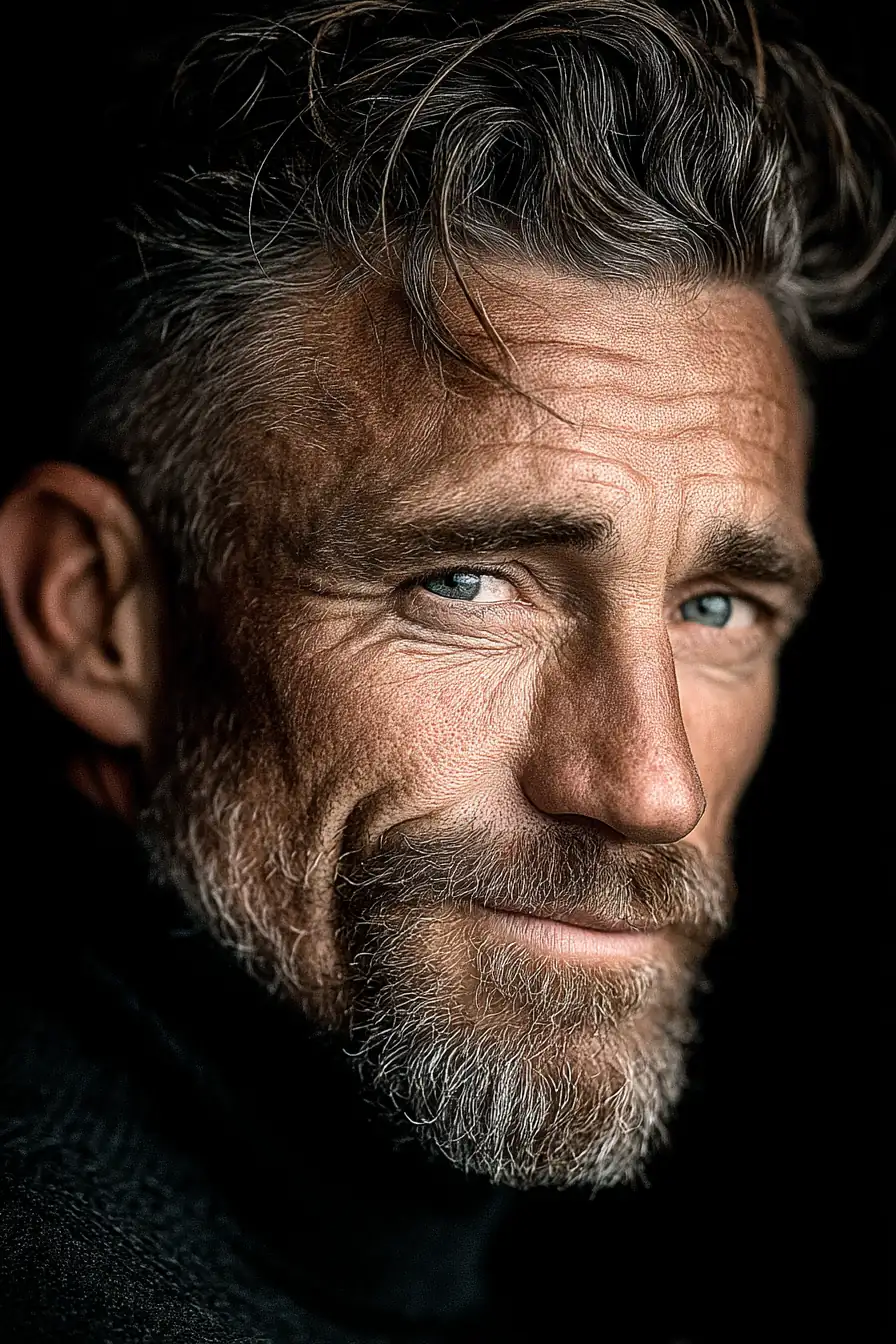
Mastering Character Portraits in Midjourney: Techniques, Styles, and Prompts
Create stunning character portraits with Midjourney using advanced prompts, lighting techniques, and artistic parameters. Explore photorealistic, artistic, fantasy, and vintage portrait styles.
 #Midjourney
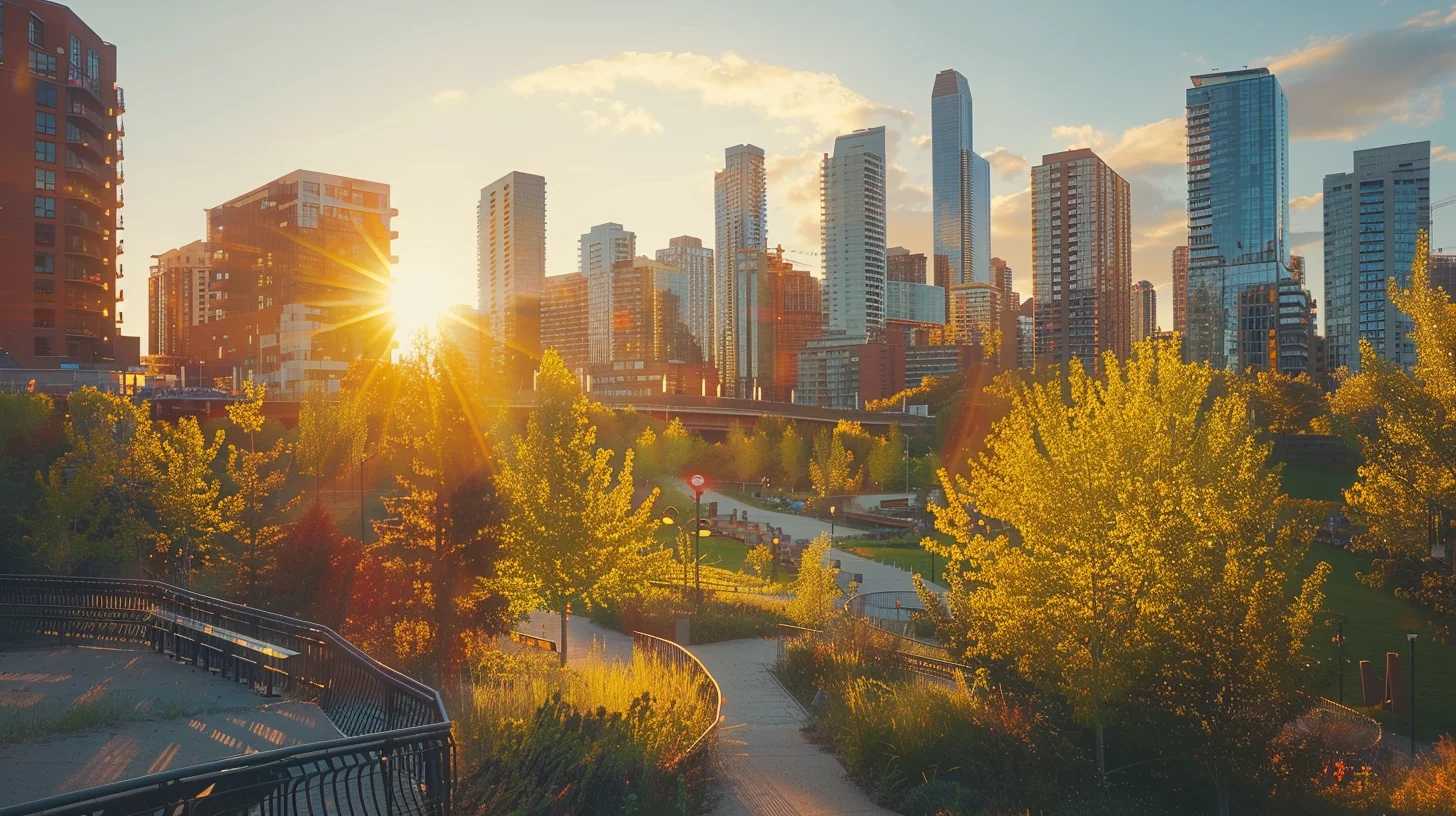
Midjourney Cityscapes: Create Stunning Urban Environments with AI Prompts
Master the art of generating breathtaking cityscapes in Midjourney with our comprehensive guide. Learn architectural styles, urban planning, and atmospheric effects for stunning AI art.
 #Midjourney
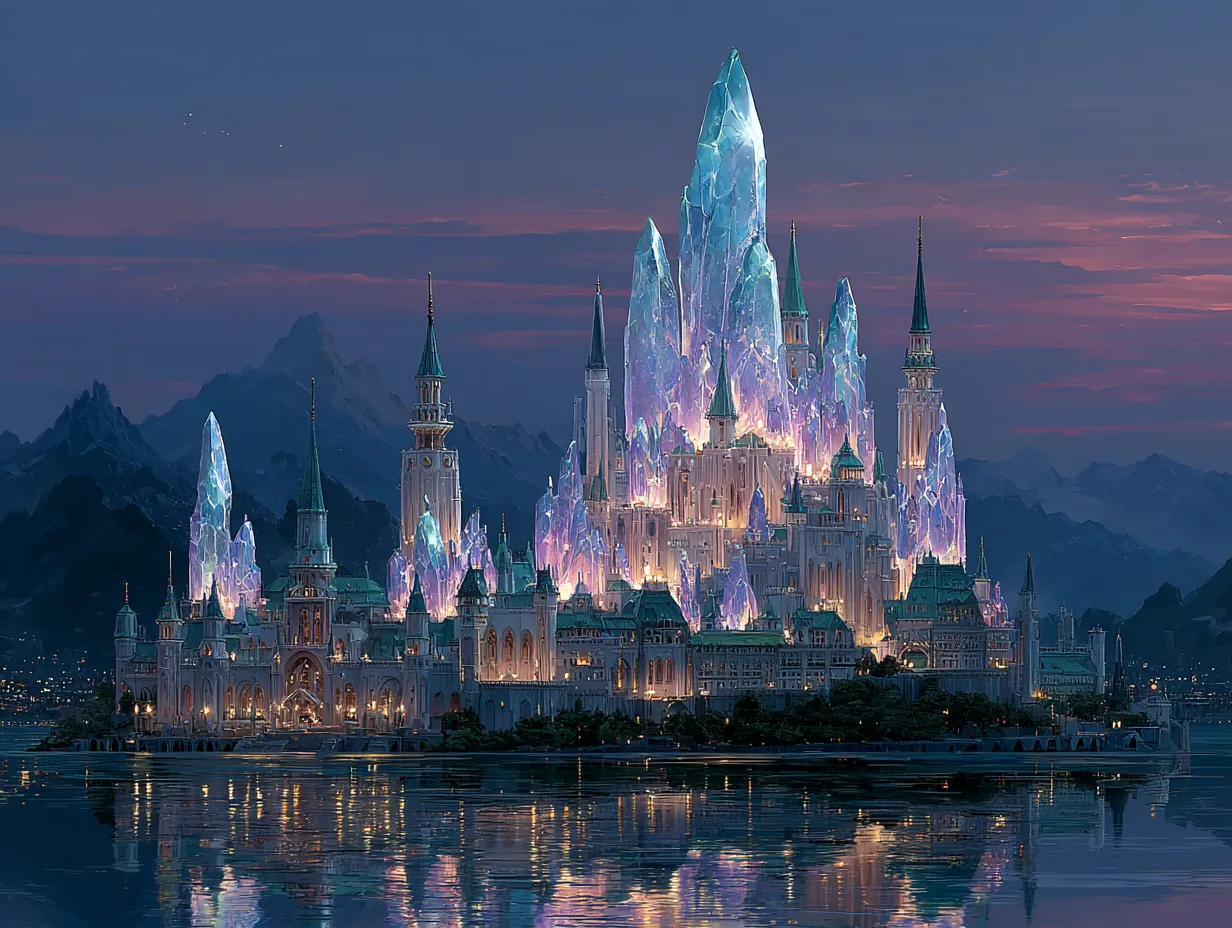
Crafting Fantasy Worlds in Midjourney: Prompts & Techniques
Master Midjourney prompts to create enchanting fantasy environments, from magical realms to mythical landscapes. Explore techniques for world-building and atmospheric effects.