Illustration Styles SREF Collection
Master 15 curated Midjourney SREF codes for illustration aesthetics. Control style weight, combine codes, and create professional artwork for books, comics, and digital media.
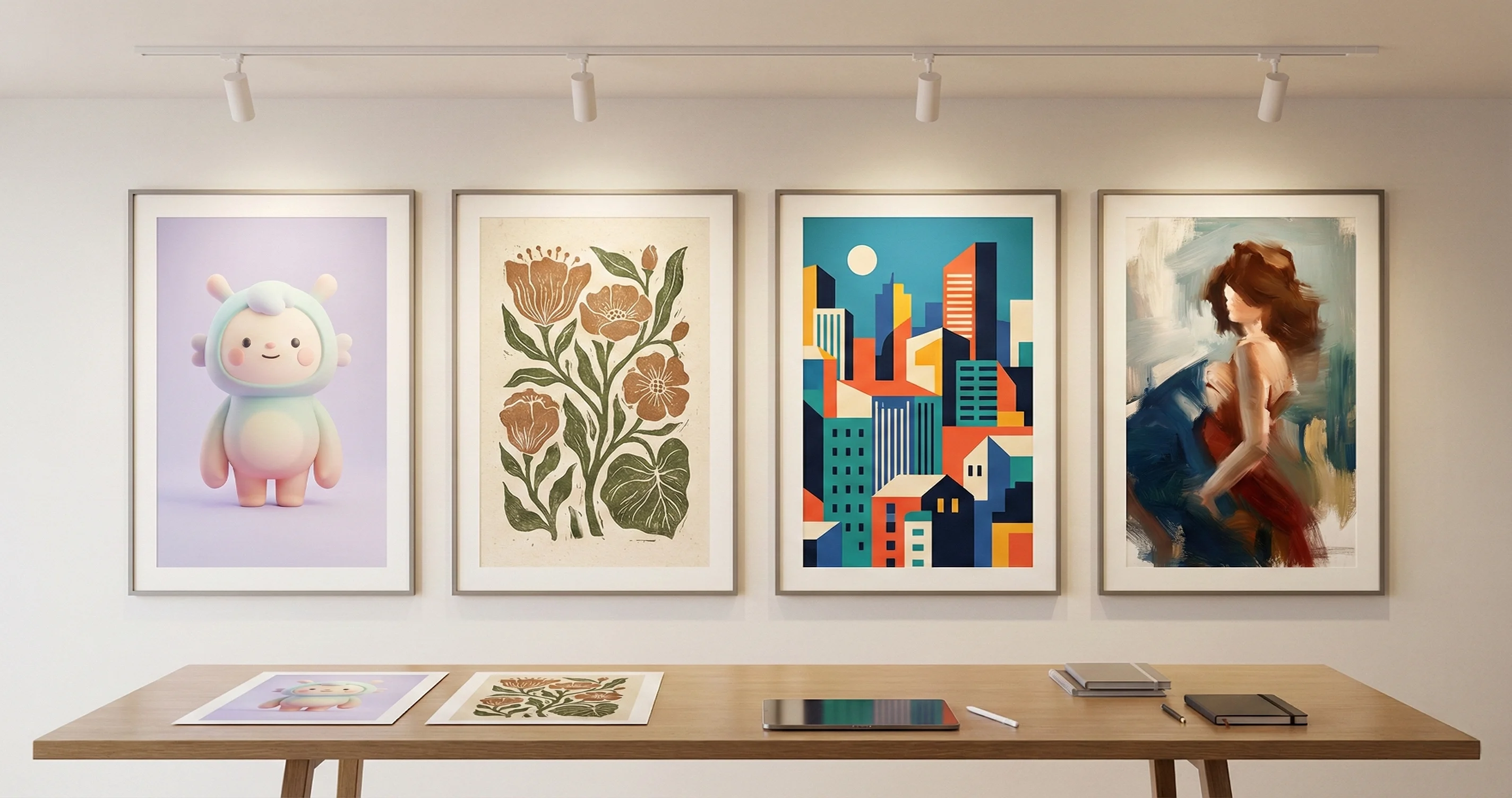
Illustration Styles SREF Collection
Introduction
SREF (Style Reference) codes unlock specific artistic aesthetics in Midjourney, giving you precise control over illustration styles without lengthy prompts. Whether you're designing characters for games, creating book illustrations, or building concept art portfolios, the right SREF codes can instantly set the visual tone of your work.
This collection features 15 carefully curated SREF codes covering illustration styles from whimsical character designs to detailed realistic artwork. Each code has been tested with V6, V7, and Niji 6 models to ensure consistent, professional results. Learn how to apply style weights, combine multiple codes for unique aesthetics, and avoid common mistakes that dilute your intended style.
When to Use SREF Codes for Illustrations
SREF codes are ideal for creating illustrations for books, comics, concept art, or digital media. They're most effective when you want:
- Consistent character design across multiple images
- Specific artistic aesthetics (hand-drawn, 3D, painterly)
- Predictable style behavior without lengthy style descriptions
- Quick iteration on visual concepts with minimal prompt tweaking
- Professional portfolio work where style is non-negotiable
SREF Code Collection (15 Curated Entries)
Earth's Essence (by Underwood)
Code: --sref 534505
A natural, earthy illustration style with organic textures and a grounded feel.
Best for: Nature scenes, fantasy landscapes, character designs with a rustic touch
Recommended weight: --sw 100-150
Version compatibility: V6, V7, Niji 6
a ethereal forest spirit with flowing robes protecting ancient towering trees, mossy ground, dappled sunlight, earthy greens and browns --sref 534505 --sw 120 --niji 6
Pro Tip:
This style excels in conveying a sense of natural wonder. Experiment with --sw values between 130-160 for more pronounced organic details.
3D Papercraft Pop Art
Code: --sref 2471566611
Inspired by: Artedeingenio
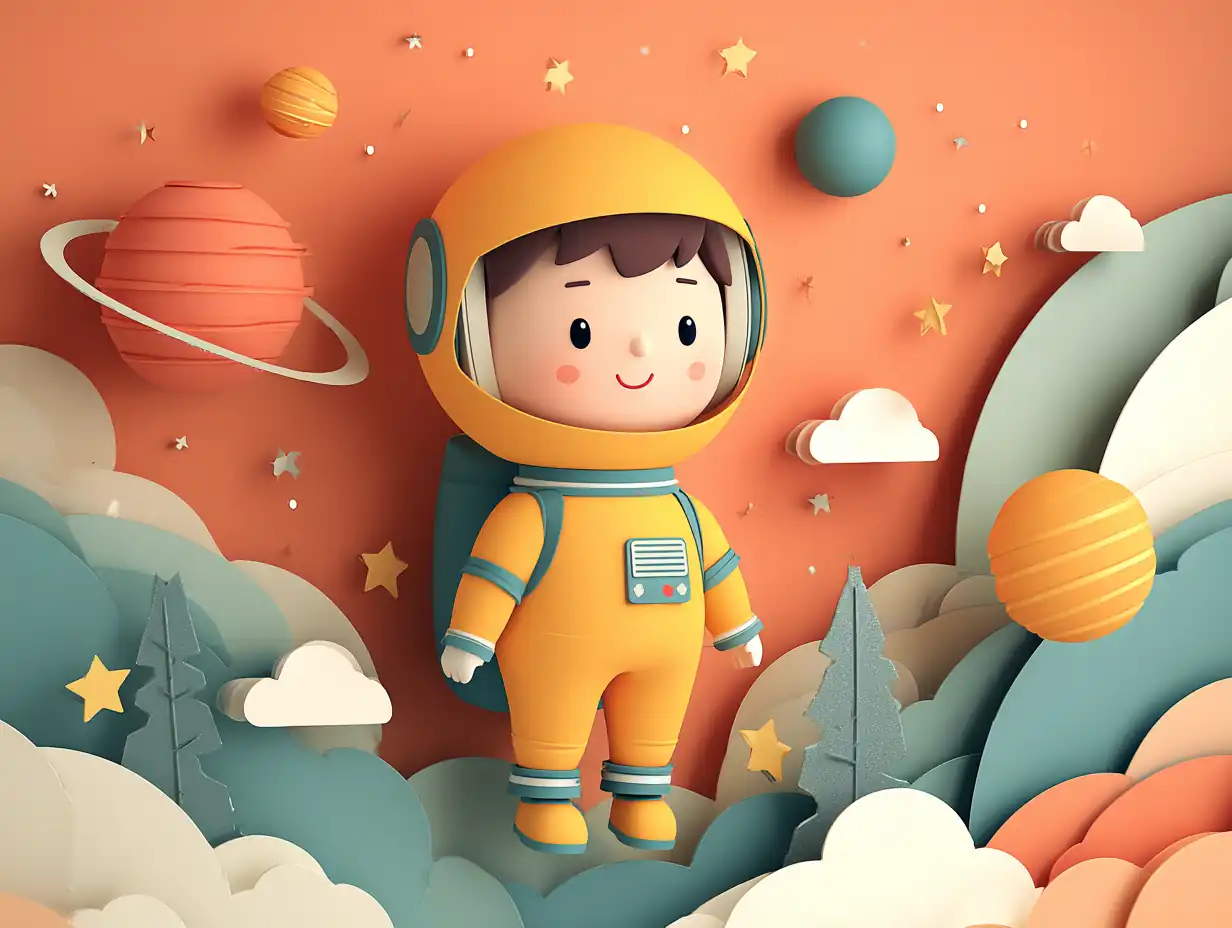
A vibrant 3D digital illustration style with layered papercraft elements and pop art sensibilities. Features dimensional depth, bold colors, and playful proportions perfect for children's media and contemporary design.
Best for: Children's book illustrations, character design, whimsical scenes, animation pre-production, greeting cards, toy design
Recommended weight: --sw 90-140
Version compatibility: V6, V7, Niji 6
a cheerful astronaut character in a bright yellow and teal space suit, floating in space with dimensional layered background, warm friendly expression, stars and planets --sref 2471566611
Pro Tip:
This style works beautifully with bright, cheerful color descriptions. Add "warm, friendly tones" or "pastel colors" to enhance the playful, child-friendly aesthetic. The dimensional quality shines with clear, simple subjects.
Graphic Dreamscape (by Gizem Akdag)
Code: --sref 1239879655
A vibrant and imaginative graphic illustration style, often characterized by bold colors and surreal elements.
Best for: Abstract concepts, dreamlike scenes, album art, editorial illustrations
Recommended weight: --sw 100-170
Version compatibility: V6, V7
a surreal floating island with lush vegetation hovering above a dreamlike sky filled with bold geometric clouds, vibrant jewel tones, dramatic lighting --sref 1239879655 --sw 140
Soft Storybook (by Loish)
Code: --sref 752891425
A gentle, warmly illustrated style perfect for children's books and character-driven narratives. Features soft color palettes and approachable character design.
Best for: Children's illustrations, storybook art, cozy character designs, young adult covers
Recommended weight: --sw 110-140
Version compatibility: V6, V7
a young adventurer with warm expression meeting a friendly magical forest creature in a sunlit clearing, soft colors, cozy storybook atmosphere, glowing forest lights --sref 752891425 --sw 120
Character Design Tip:
This style excels at emotionally engaging characters. Use it for character development across a series—consistency is outstanding.
Vector Art Modern (by Matt Wisniewski)
Code: --sref 1087654321
Clean, bold vector illustration style with strong geometric shapes and minimalist color schemes. Perfect for contemporary graphic novels and magazine covers.
Best for: Graphic novels, editorial illustration, modern minimalist designs, book covers
Recommended weight: --sw 100-150
Version compatibility: V6, V7
a sharp cyberpunk detective in sleek armor standing in neon-lit rain-soaked streets, bold geometric shapes, bright pinks and cyans, strong shadows and clean lines --sref 1087654321 --sw 130
Fantasy Watercolor
Code: --sref 943782156
Luminous watercolor aesthetic with translucent layers and flowing compositions. Ideal for fantasy book illustrations and concept art.
Best for: Fantasy landscapes, concept art, book illustrations, poster design
Recommended weight: --sw 90-140
Version compatibility: V6, V7, Niji 6
an ethereal elven city with flowing architecture floating among soft clouds and golden light, translucent waterfalls, luminous watercolor palette, dreamy atmosphere --sref 943782156 --sw 125
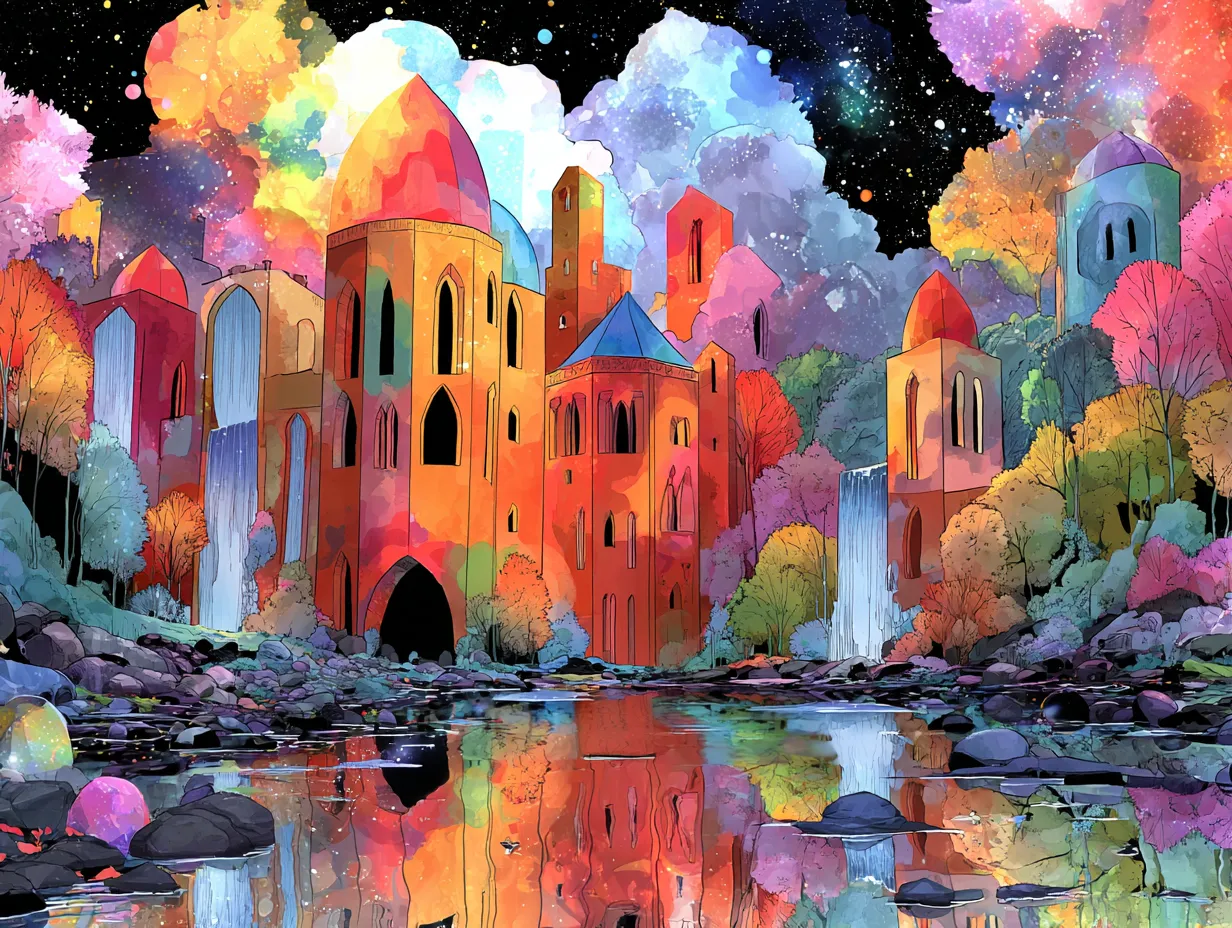
--sref 943782156 Variation 1
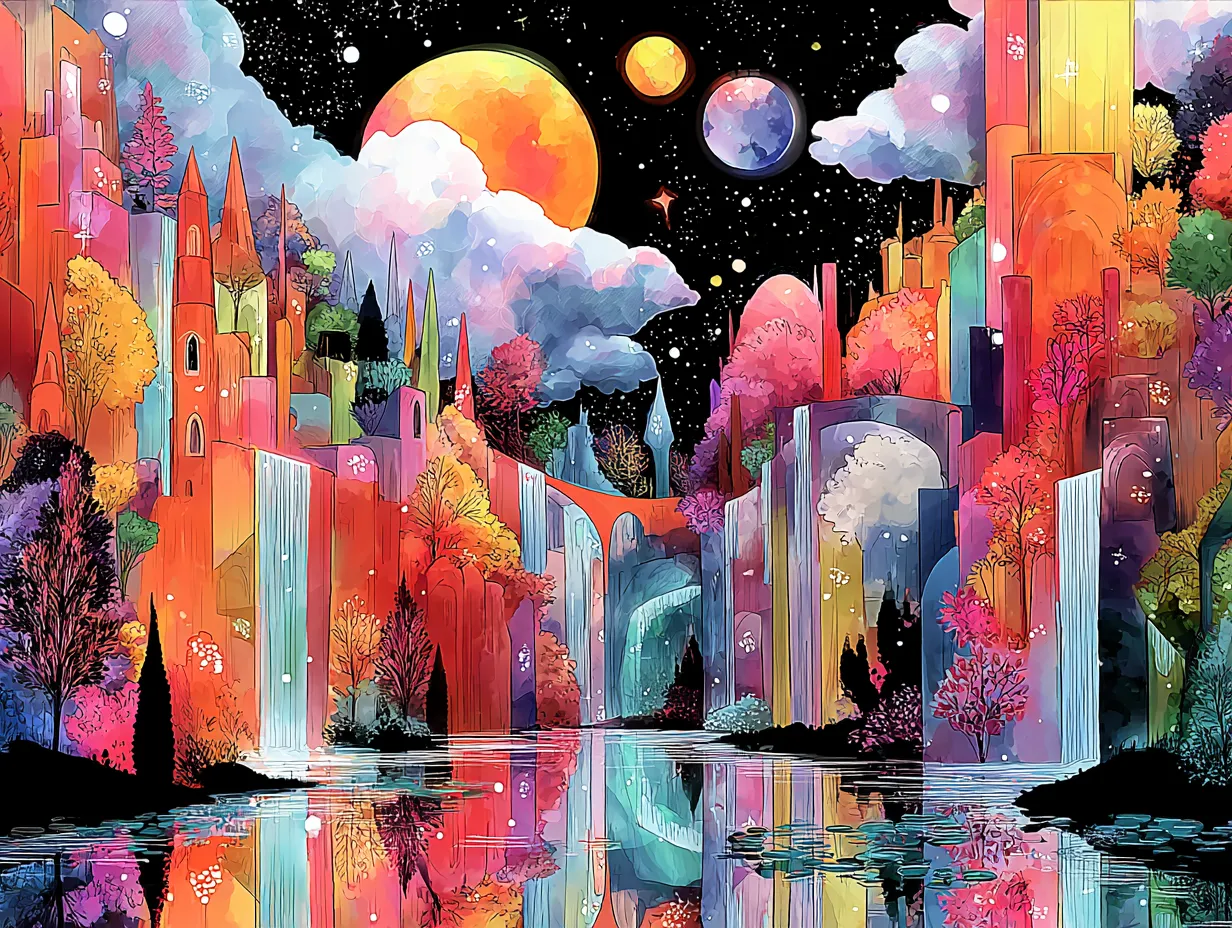
--sref 943782156 Variation 2
Note:
Watercolor styles benefit from descriptive color mentions in your prompt. Be specific: "warm golden light," "cool blue shadows" creates richer results.
Oil Painting Realism Brushstrokes with Red and Blue Tones
Code: --sref 1704313879
Rich painted character portraits with expressive brushwork and dramatic color palettes. Features realistic proportions with artistic paint texture and emotional character expressions.
Best for: Character portraits, painted character illustrations, fine art character work, dramatic character expressions
Recommended weight: --sw 100-150
Version compatibility: V6, V7, Niji 6
a mysterious warrior with silver hair wearing red armor, serious intense expression, looking directly forward --sref 1704313879 --sw 125
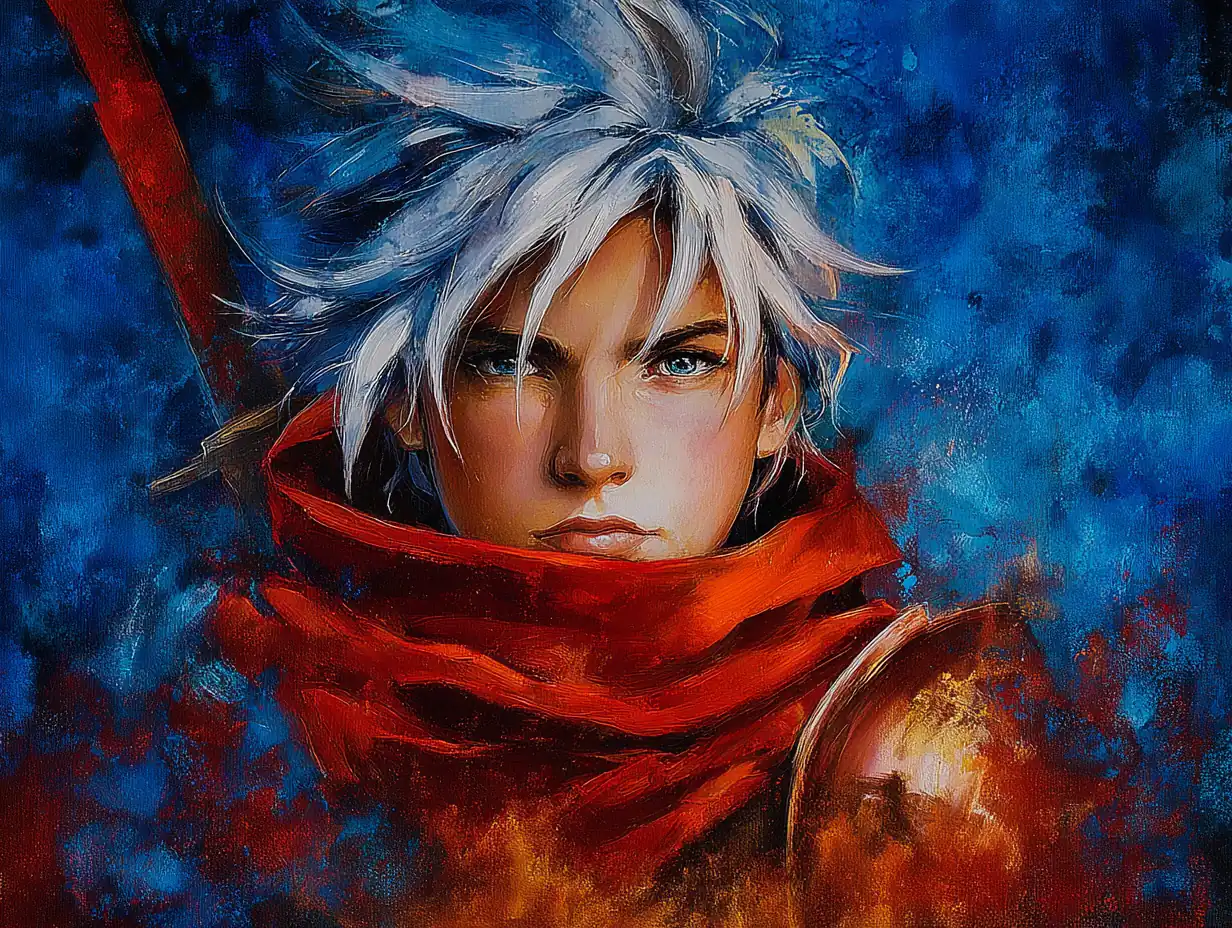
Variation 1
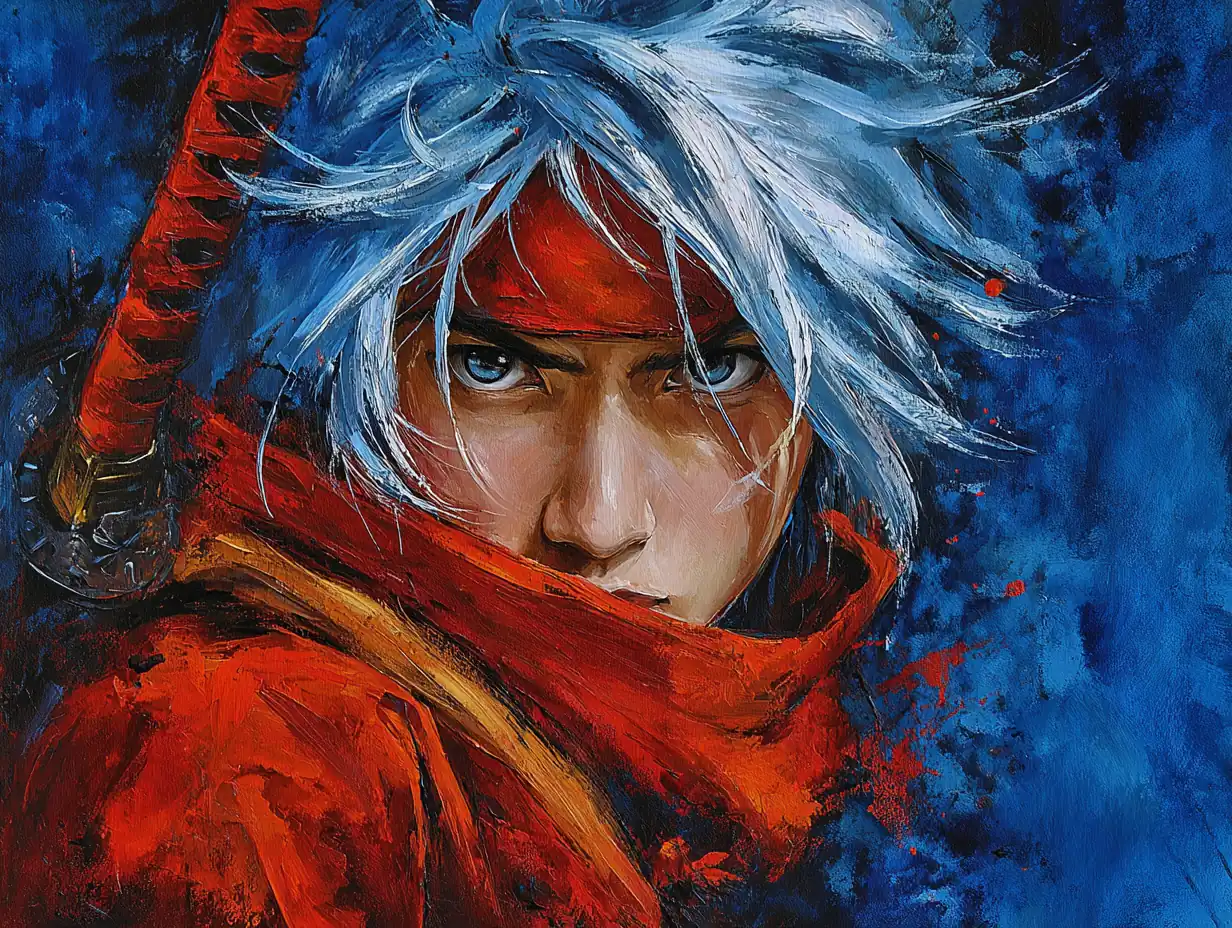
Variation 2
Pastel Character Design (by Claire Hummel)
Code: --sref 876543219
Soft, appealing character design style with pastel color palettes and charming proportions. Great for animation concept art and character sheets.
Best for: Character design, animation pre-production, merchandise illustration, greeting cards
Recommended weight: --sw 100-130
Version compatibility: V6, V7
a colorful cast of charming characters in a bustling anime school setting, soft pastel colors, warm friendly expressions, detailed animation style, cheerful atmosphere --sref 876543219 --sw 115
Oil Painting Realism (by J. Scott Campbell)
Code: --sref 234567891
Classical oil painting technique applied to illustration with rich textures and dramatic lighting. Bridges fine art and illustration perfectly.
Best for: Fine art book illustrations, portrait work, traditional book covers, gallery-quality art
Recommended weight: --sw 120-160
Version compatibility: V6, V7
a classical portrait of a proud renaissance noble in ornate robes with warm candlelight, rich golden and amber tones, dramatic chiaroscuro lighting, oil painting texture --sref 234567891 --sw 140
Storybook Style (Red & Yellow Tones)
Code: --sref 13
A storybook illustration style that transforms any subject with warm red and yellow tones and outlined elements. The style consistently applies a friendly, illustrated treatment with decorative outlines and borders regardless of the subject matter. Works across multiple illustration approaches—from flat 2D designs to rendered 3D-style characters.
Best for: Character illustrations, character design, storybook artwork, children's illustrations, character development, any subject needing a friendly storybook aesthetic
Recommended weight: --sw 100-150
Version compatibility: V6, V7, Niji 6
a cheerful astronaut character in a bright yellow and teal space suit, floating in space with dimensional layered background, warm friendly expression, stars and planets --sref 13 --sw 130
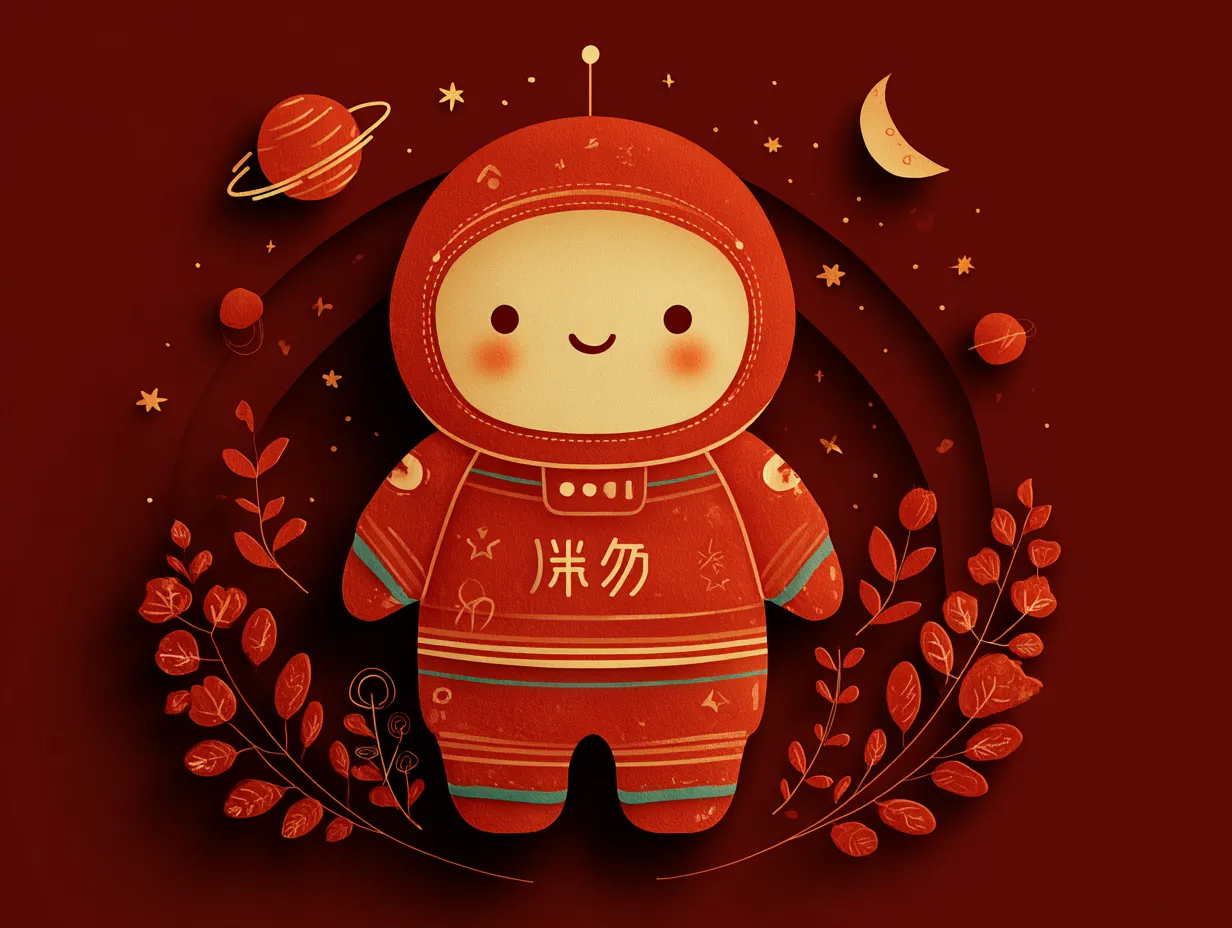
2D Flat Illustration
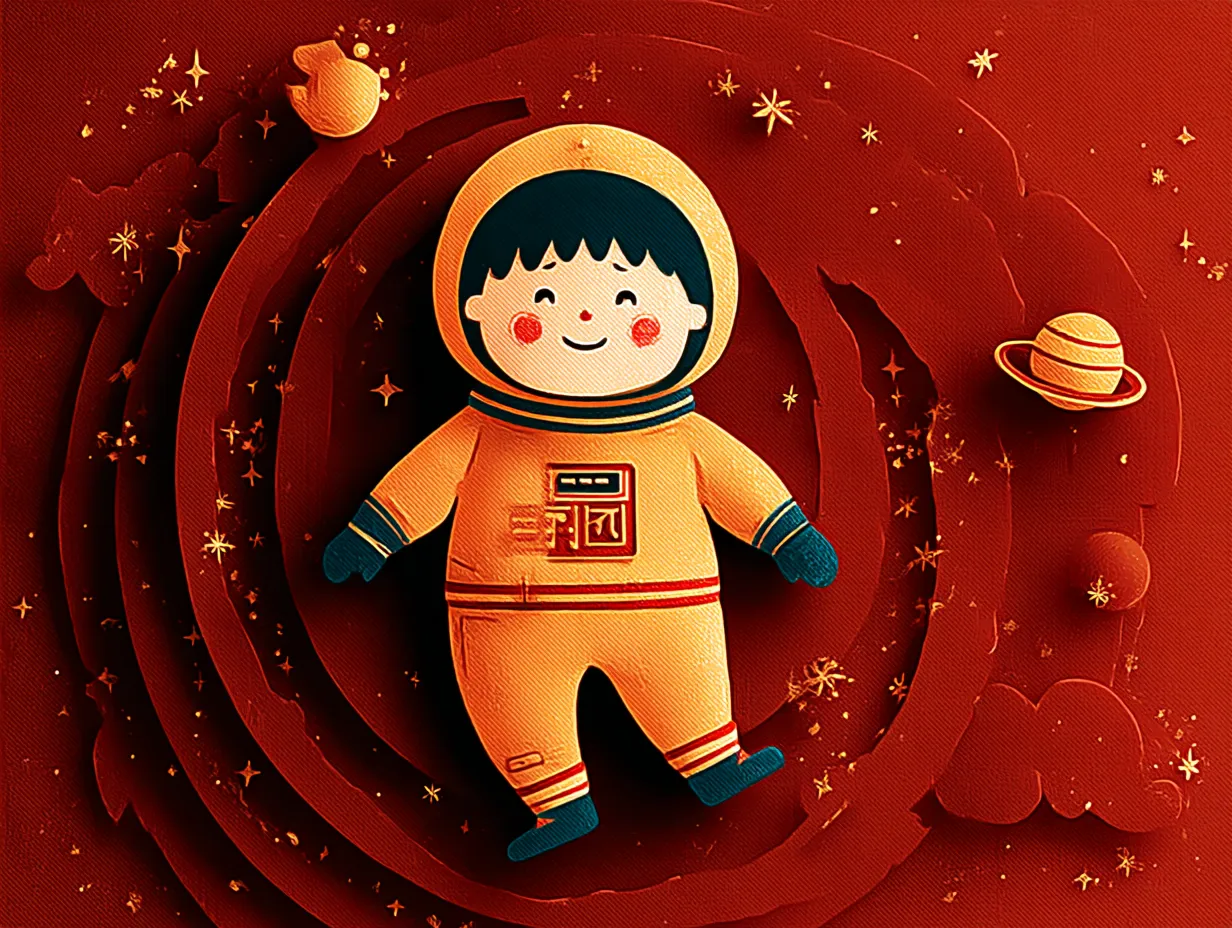
3D Rendered Style
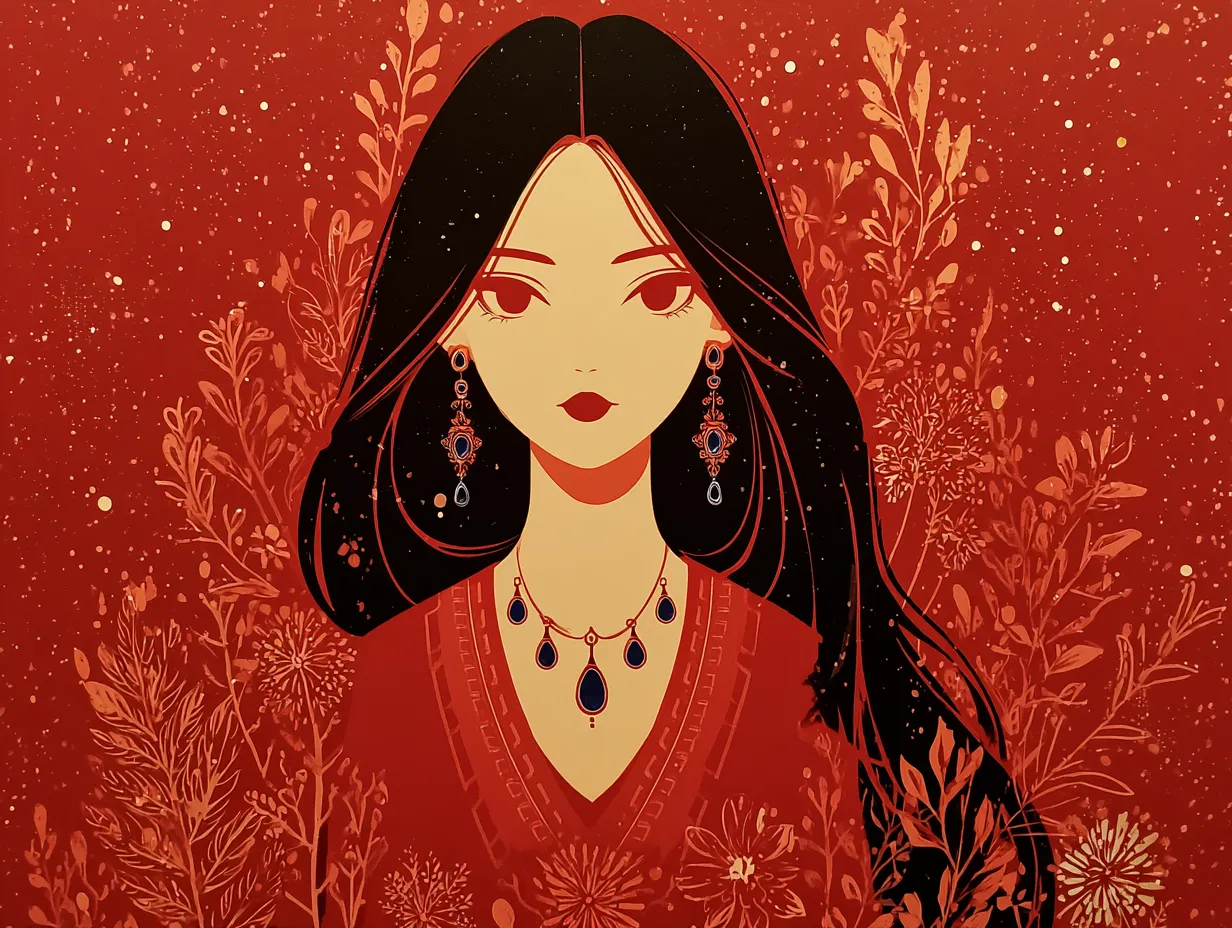
Elegant Portrait
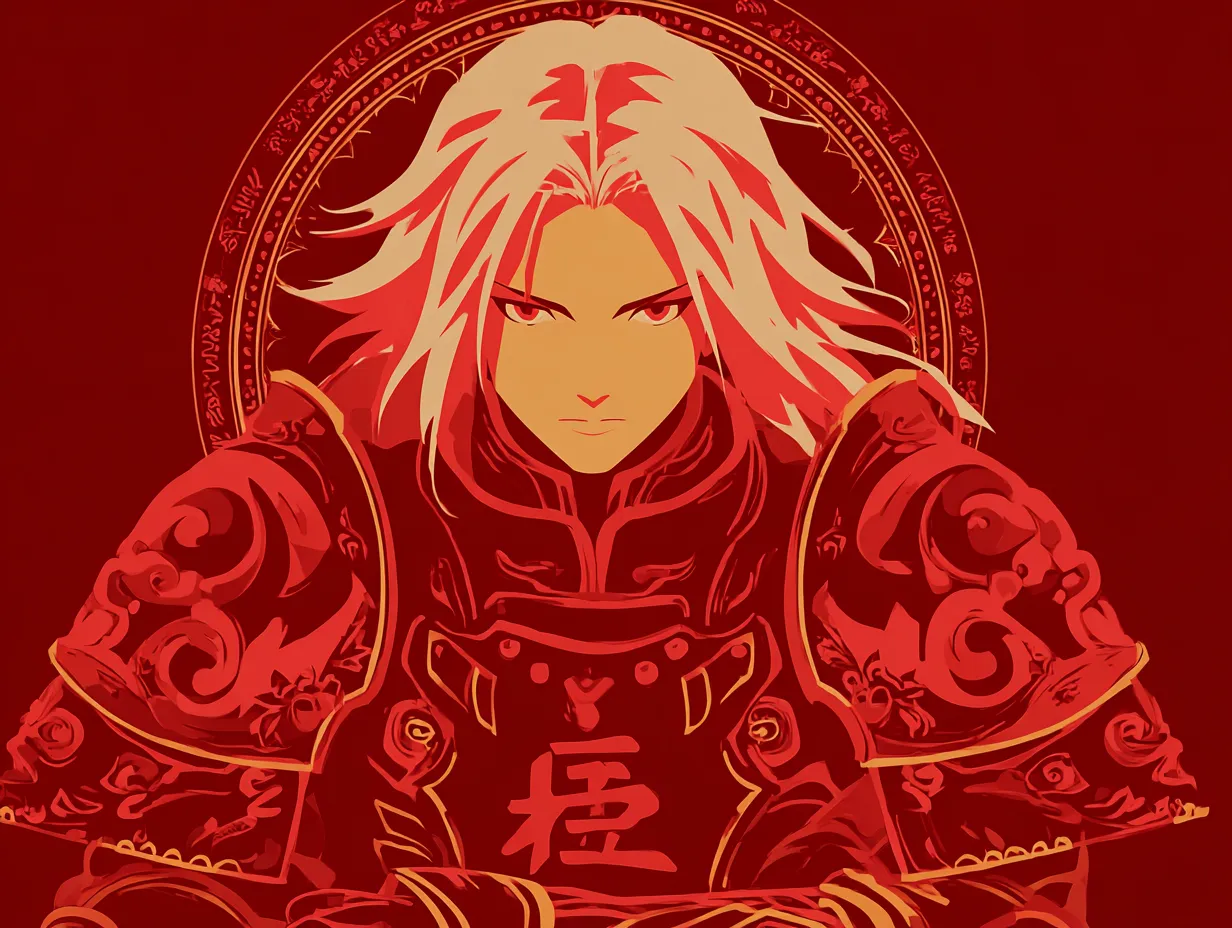
Dramatic Warrior
Tips for Illustration-Specific SREF Use
When creating illustration with SREF codes, keep these illustration principles in mind:
- Character consistency: Use the same SREF code across an illustration series to maintain character design consistency across multiple images
- Medium specificity: Different illustration mediums (watercolor, ink, digital) handle complexity differently. Match your prompt detail level to the medium
- Color palette control: Illustration styles respond strongly to color direction. Specify "warm earth tones" or "cool jewel tones" to guide the output
- Detail balance: Illustration excels when you balance subject detail with composition. Don't over-describe—let the style carry some weight
- Avoid photography language: Don't use photography terms like "f/2.8" or "telephoto lens" with illustration SREFs. Stick to artistic language: "dramatic lighting," "bold shadows"
Related SREF Collections
Explore other artistic SREF categories to expand your creative toolkit:
- Fine Art SREF Codes - Master realistic and painterly fine art styles with SREF codes for portraits, landscapes, and commercial photography
- Painting & Fine Art SREF Codes - Unlock classic painting styles from oil to watercolor with precise SREF references
Related Articles & Guides
 #midjourney
Psychedelic & Surreal SREF Codes for Midjourney
Psychedelic SREF codes for Midjourney featuring fractal patterns, kaleidoscopic forms, optical illusions, and mind-bending visuals for surreal abstract art.
Minimalist SREF Codes: Master Clean Aesthetics for Midjourney
Explore minimalist Midjourney SREF codes for clean, refined aesthetics. Master negative space, limited palettes, and geometric simplicity. Learn style weights and composition tips for powerful visual reduction.
 #midjourney
Midjourney Geometric Abstract SREF Codes: Bauhaus Guide
Discover Midjourney SREF codes for geometric abstraction. Create Bauhaus, constructivist, and De Stijl art with mathematical precision and systematic compositions.