Art Styles & Themes with Nano Banana
Generate and reimagine scenes in distinct art styles with Nano Banana, from cyberpunk neon cities to painterly and retro aesthetics.
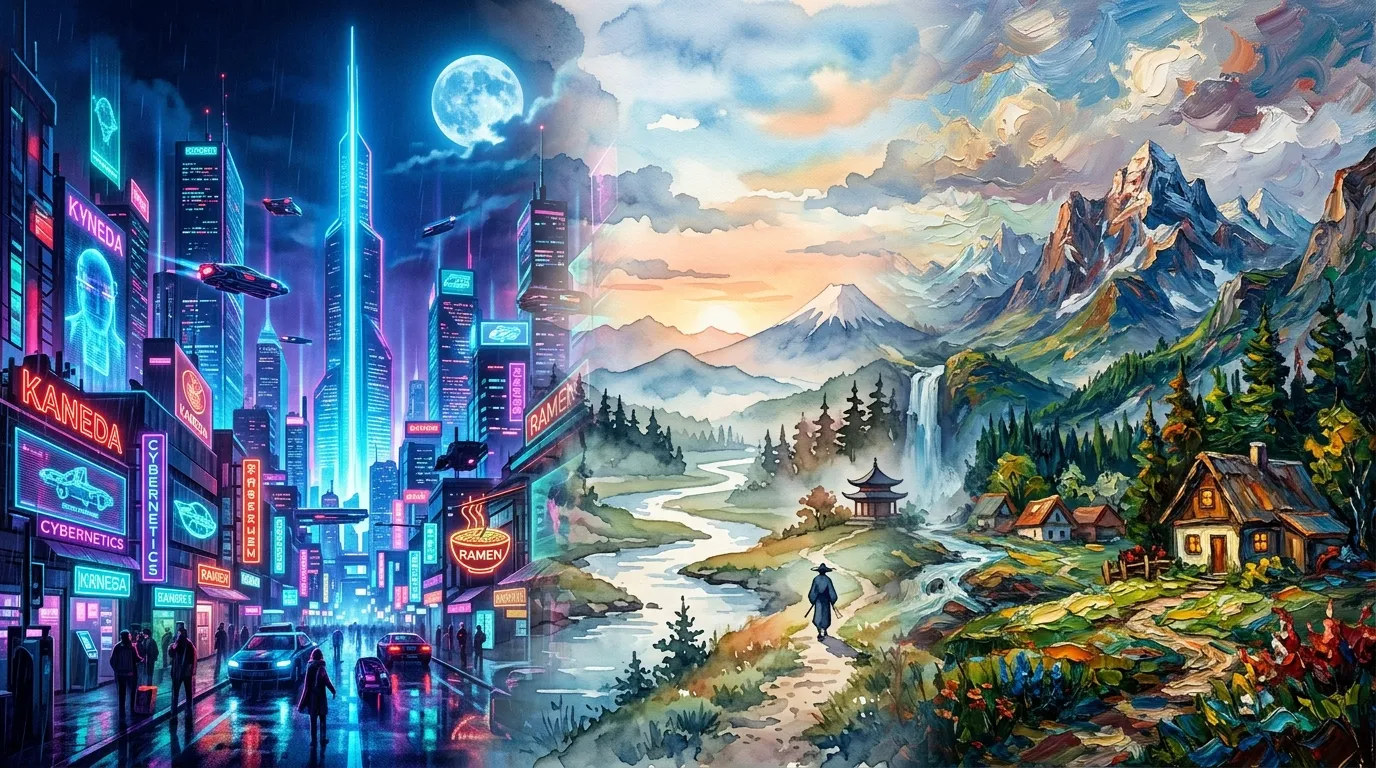
Nano Banana excels at applying and generating cohesive art styles across a scene or subject. Whether you're building concept art, themed backgrounds, or stylized product visuals, a well-defined style brief keeps every generation consistent.
How Style Prompts Work in Nano Banana
Style prompts combine three ingredients:
- The style itself — neon cyberpunk, watercolor, retro 8-bit, film noir
- The palette — which colors the style is allowed to use
- The technique — the visual language that makes the style recognizable
Lock all three and Nano Banana produces dramatically better results than a one-line "make this cyberpunk" instruction.
Popular Art Styles
- Cyberpunk Scenes — Neon-drenched cities, rainy alleys, and sci-fi interiors
- More style collections are on the way — character, painterly, and retro themes
Crafting a Style Brief
Name the Style
Start with a widely recognized style term ("cyberpunk," "watercolor," "studio ghibli") — Nano Banana understands these instantly.
Constrain the Palette
Limit to 2-3 colors plus one neutral. Unrestricted prompts drift toward muddy, generic output.
Add Technique Words
Include medium-specific language: "glowing neon, wet asphalt reflections" or "soft wet-on-wet washes, color bleeding."
Iterate on One Winner
Generate 2-3 variations, pick the strongest, then refine that one rather than regenerating fresh.
Next Steps
- Cyberpunk Scenes — Full style collection
- Image Generation Overview — Cross-tool guide
Related Articles & Guides
 #nano-banana
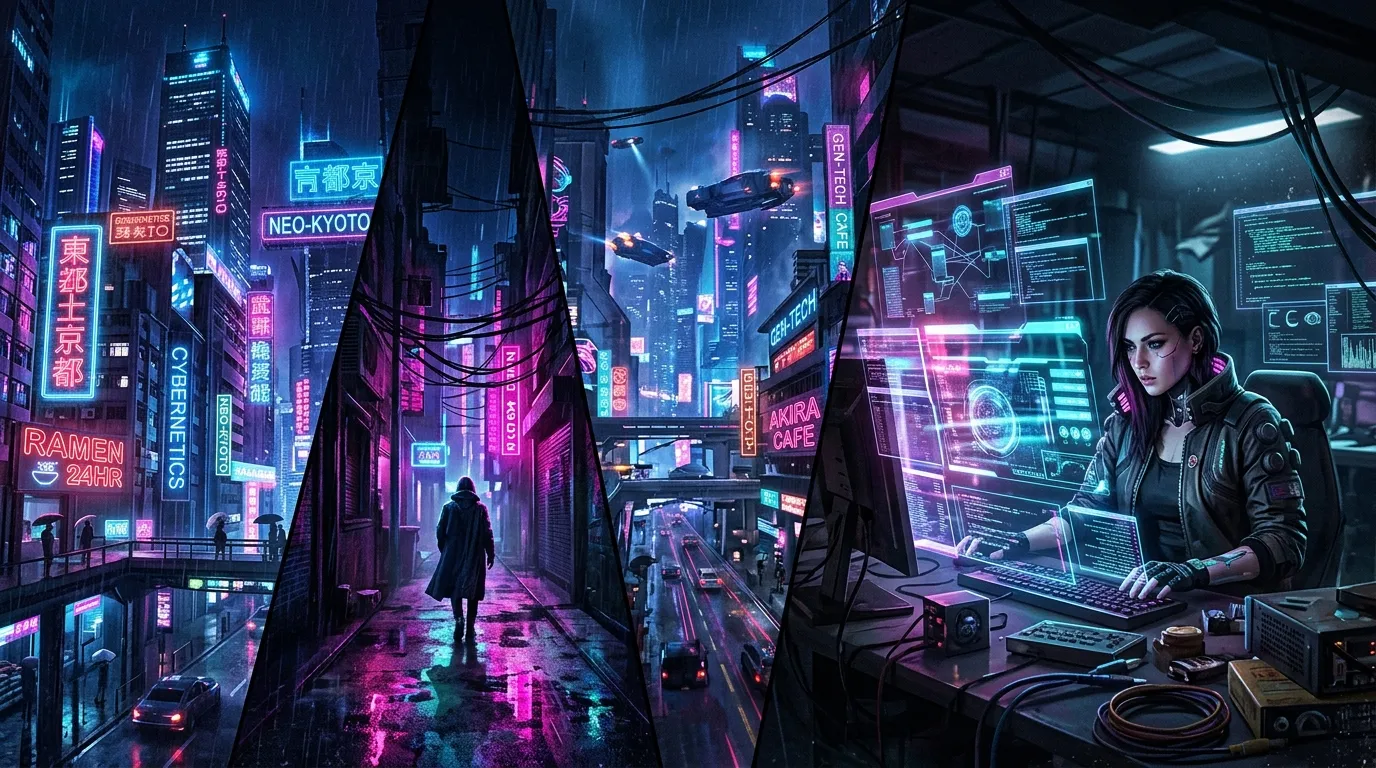
Cyberpunk Scene Prompts for Nano Banana
Generate neon-drenched cyberpunk scenes with Nano Banana. Ready-to-use prompts for megacities, rainy alleys, sci-fi interiors, and dystopian landscapes.
 #nano-banana
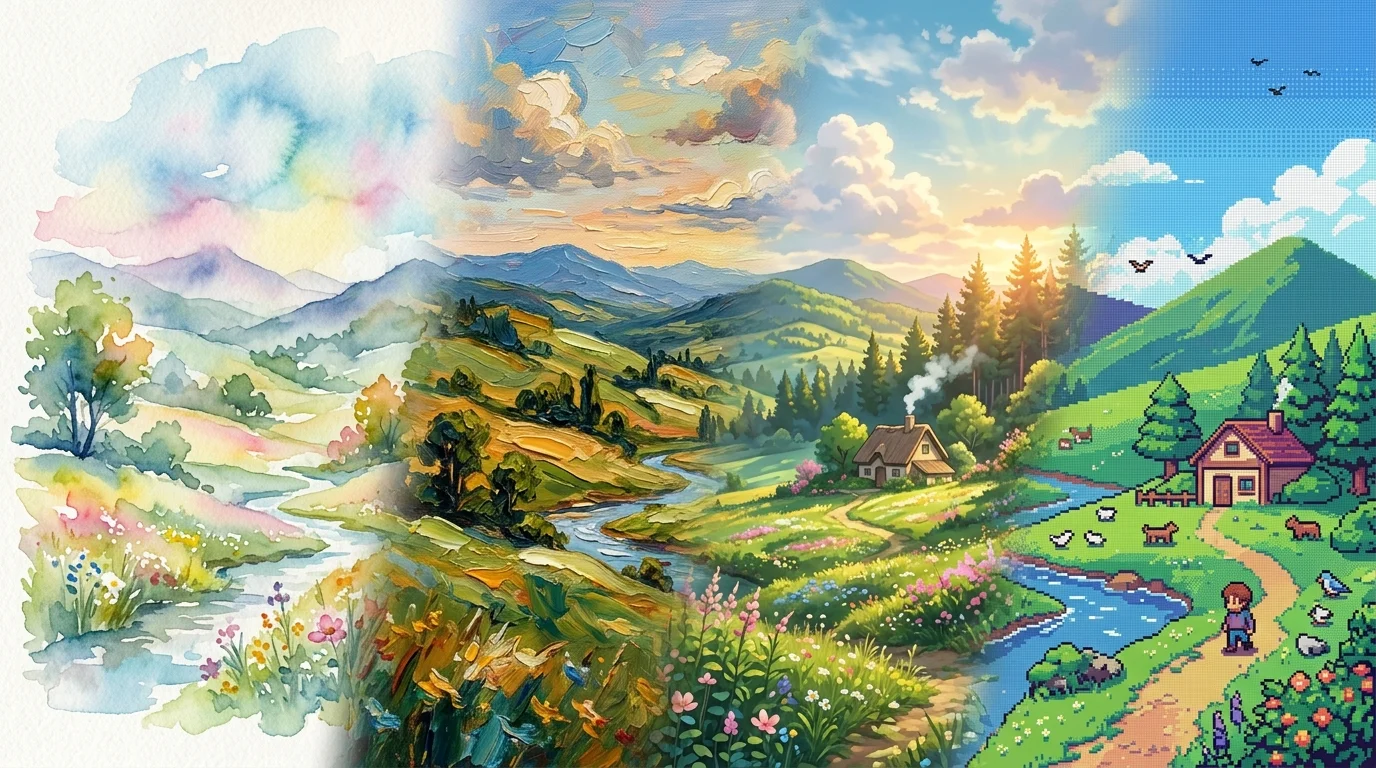
Artistic Transformation Prompts & Styles in Nano Banana
Turn photos into gallery art, anime scenes, oil paintings, and exhibition posters with Nano Banana. Master image-to-image style transfer prompt engineering.
 #nano-banana
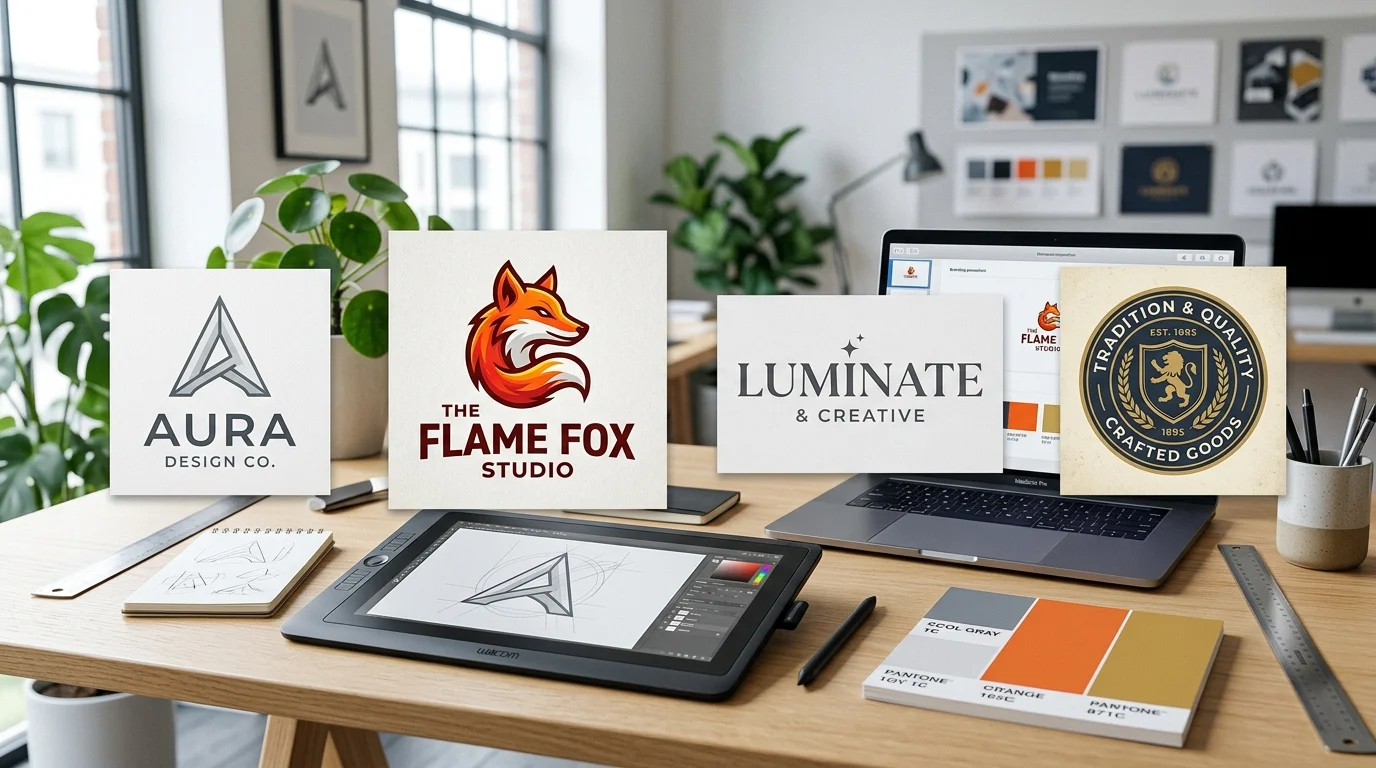
Logo Design Prompts for Nano Banana
Design logo concepts with Nano Banana. Ready-to-use prompts for minimalist, mascot, wordmark, and badge styles with pro tips for branding.