Prompt Optimization
Learn how to systematically improve your prompts for better quality, lower costs, and faster responses from AI models.
Prompt Optimization
Systematically improving your prompts to get better results, lower costs, and faster responses. This is an introduction to the subject — for the full depth on techniques and anti-patterns, see the Prompt Optimization guide and the other pages in this section.
Why Optimization Matters
Prompt optimization directly impacts three key metrics:
| Metric | Impact of Poor Prompts | Improvement from Optimization |
|---|---|---|
| Output Quality | Hallucinations, irrelevant content, inconsistent formatting | Targeted, accurate, consistent responses |
| Token Cost | Verbose prompts with redundant instructions | Concise prompts that preserve quality |
| Latency | Long prompts with unnecessary context | Streamlined prompts that reach the point faster |
| Reliability | Unpredictable output structures | Consistent, parseable responses |
The Optimization Loop
Effective optimization follows an iterative cycle:
- Measure — Establish baseline metrics for your current prompt (quality score, token count, success rate)
- Hypothesize — Identify one specific change to test
- Modify — Make a single change to the prompt
- Evaluate — Compare results against the baseline
- Decide — Keep the change, revert it, or try a variation
Note:
Change one thing at a time. Testing multiple changes simultaneously makes it impossible to know which one caused the improvement or regression.
Tools & Metrics for Optimization
| Tool | What It Measures | Best For |
|---|---|---|
| Token Counter | Exact prompt + response token usage | Cost reduction, latency improvement |
| A/B Testing | Compare two prompt variants side by side | Quality improvements |
| Success Rate | Percentage of outputs meeting criteria | Reliability, quality |
| Latency Tracking | Time from send to first token | User experience |
| Cost Per Task | Total tokens × model pricing | Budget optimization |
Note:
Small changes compound. A 10% reduction in prompt length, a slightly better example, or a well-placed instruction can each improve results — and together they transform prompt performance.
Topics in This Section
- Prompt Optimization - Techniques for improving performance, reducing tokens, and increasing reliability
- Context Compression - Reducing tokens without losing quality
- Prompt Benchmarking - Measuring and comparing prompt performance
- API Cost Optimization - Cutting LLM expenses while preserving quality
- Model Routing - Choosing the right model for each task
Related Articles & Guides
Automatic Prompt Engineering (APE)
Use LLMs to generate, score, and optimize prompts for other LLMs. APE discovered a better CoT prompt than humans did — and the same principles apply to your production prompts.
Prompt Optimization
Techniques for optimizing prompts to improve AI response quality, reduce token usage, and achieve consistent results across models.
 #Creative Writing
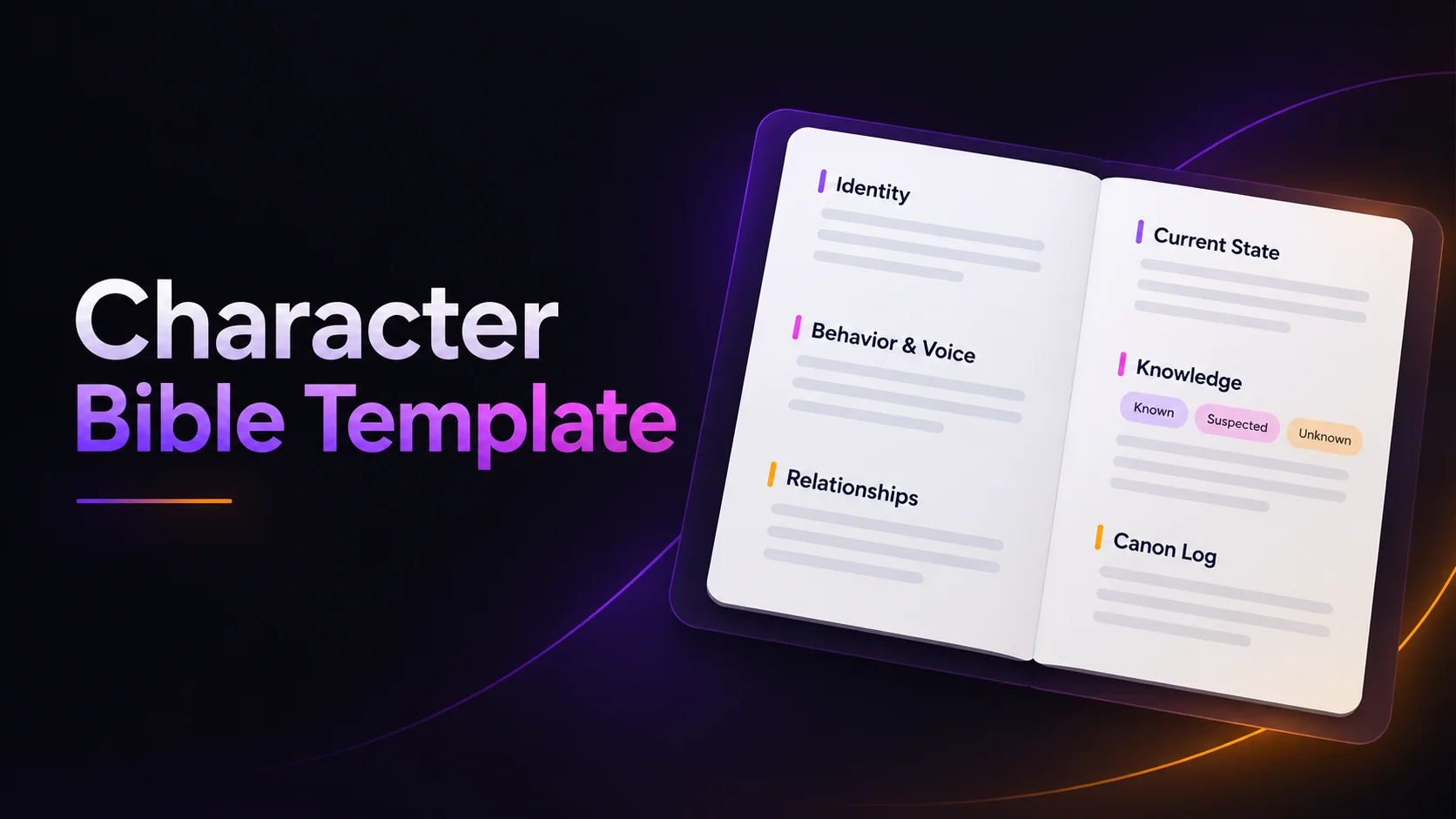
Character Bible Template: Keep ChatGPT Fiction Consistent
Download a free character bible template. Track voice, relationships, knowledge, and scene changes with ChatGPT prompts and a worked continuity example.